Hubbly bubbly in Rashid — smokin’ the sheesha!


Egyptian breakfast


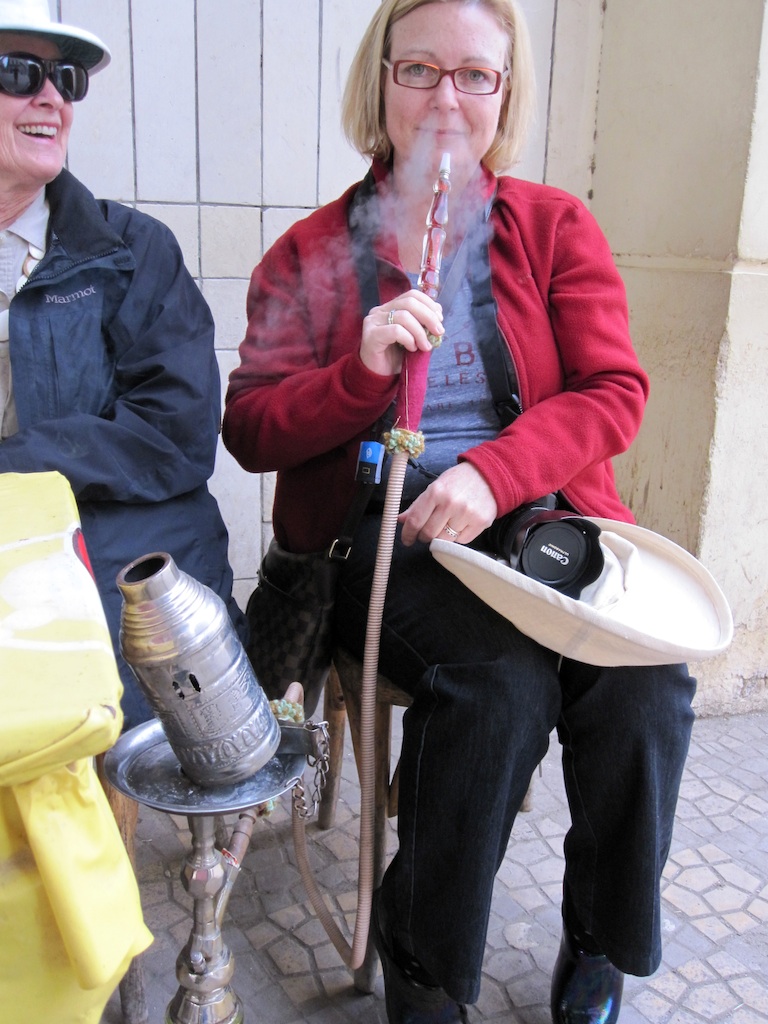
Barnaby and I have had another wonderful day in Alexandria. I started out the Egyptian way: smoking the sheesha. We left our hotel at 8 and drove to Rosetta — Rashid in Arabic, a small town of 60,000 about 45 miles east of Alexandria, where the Nile meets the Mediterranean. In the 18th and 19th centuries, it was the most important port in Egypt, but fell into obscurity when Alexandria took over. There are no tourist markets, no aggressive salesmen, and no tourists, so we had a grand time wandering through the bustling town without the usual throngs.

The Rosetta Stone was found here in 1799 by a French soldier. If you don’t remember your history: the Rosetta Stone is a slate of granite that has a legal decree carved in three languages — Egyptian hieroglyphics, Egyptian demotic (shorthand) and Greek. It took scholars until 1822 to decode it and therefore unlocking the key to reading hieroglyphics. And let me tell you — those Egyptians had a lot to say. I’m sure they kept legions of scribes busy.


Gotta rest when you can...


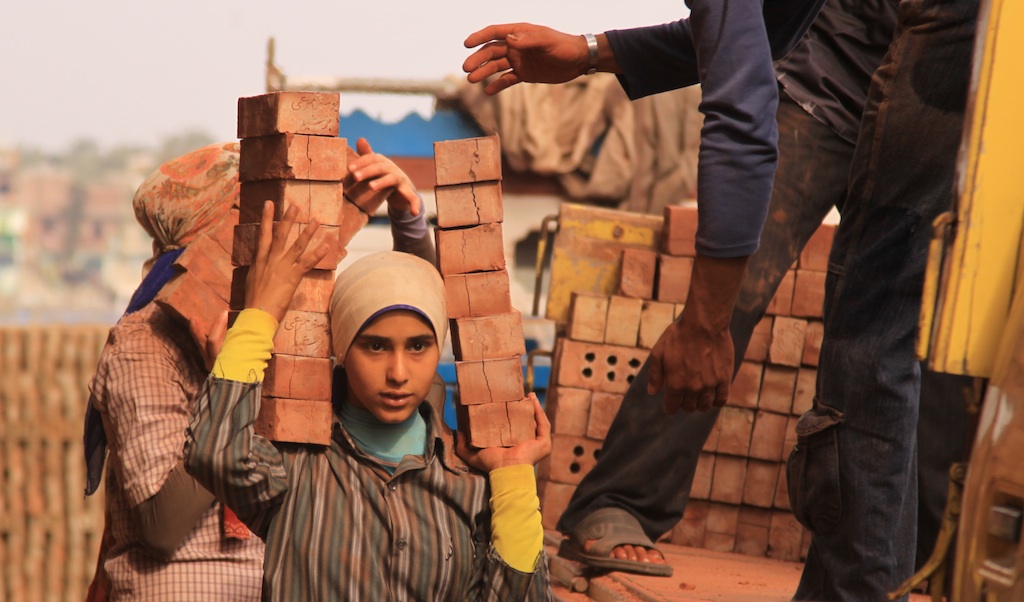
Rashid also has many fine examples of 18th century architecture, so we visited several houses. But our favorite stop was at a brick factory. Don’t laugh — it was fascinating. We were welcomed in, given the grand tour, even though our guide had never stopped there before. The Egyptian people are very friendly. Barnaby has learned a few phases in Arabic and it’s amazing the response he gets for his efforts.


Women work hard everywhere

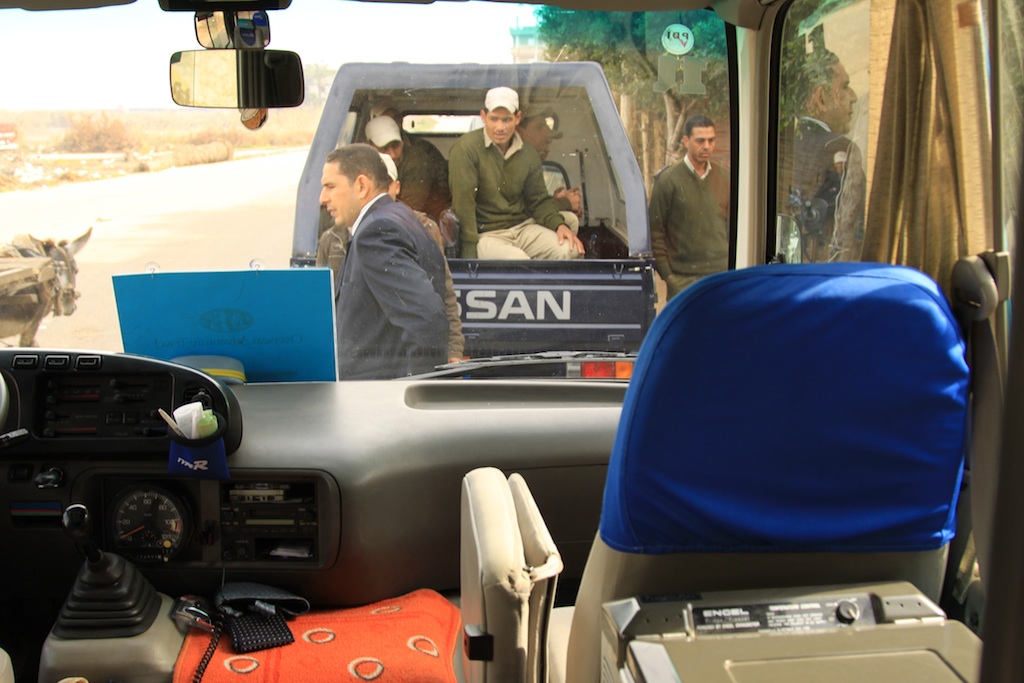
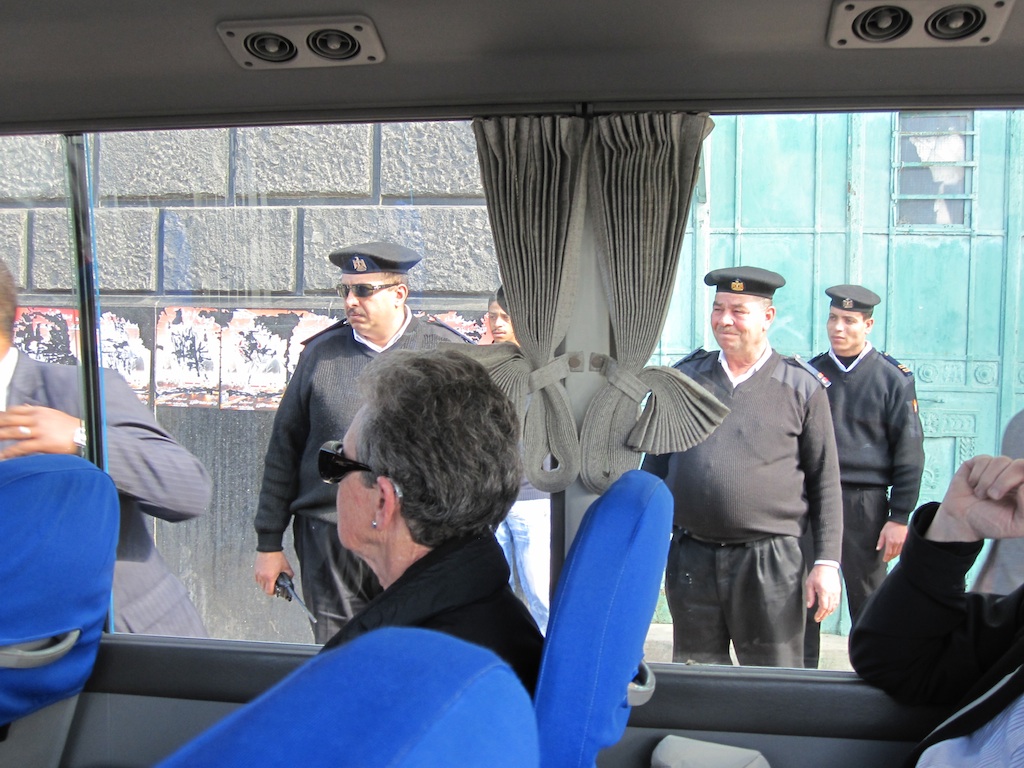
If you’ve been watching CNN you’ve probably heard about the protests in Cairo today. Don’t worry — we’re far away and the protests are against the Egyptian government, nothing to do with tourists. Plus — you couldn’t get near us if you tried. We had a convoy of tourist police with us all day. There must have been 30 armed men along. I felt like a princess! I know, I know — I feel like that everyday.


Mas salaam!


Alexandria


Ramses II -- Ozymandias


Ozymandias

by Percy Bysshe Shelley


I met a traveller from an antique land

Who said: “Two vast and trunkless legs of stone

Stand in the desert. Near them on the sand,

Half sunk, a shattered visage lies, whose frown

And wrinkled lip and sneer of cold command

Tell that its sculptor well those passions read

Which yet survive, stamped on these lifeless things,

The hand that mocked them and the heart that fed.

And on the pedestal these words appear:

`My name is Ozymandias, King of Kings:

Look on my works, ye mighty, and despair!’

Nothing beside remains. Round the decay

Of that colossal wreck, boundless and bare,

The lone and level sands stretch far away”.


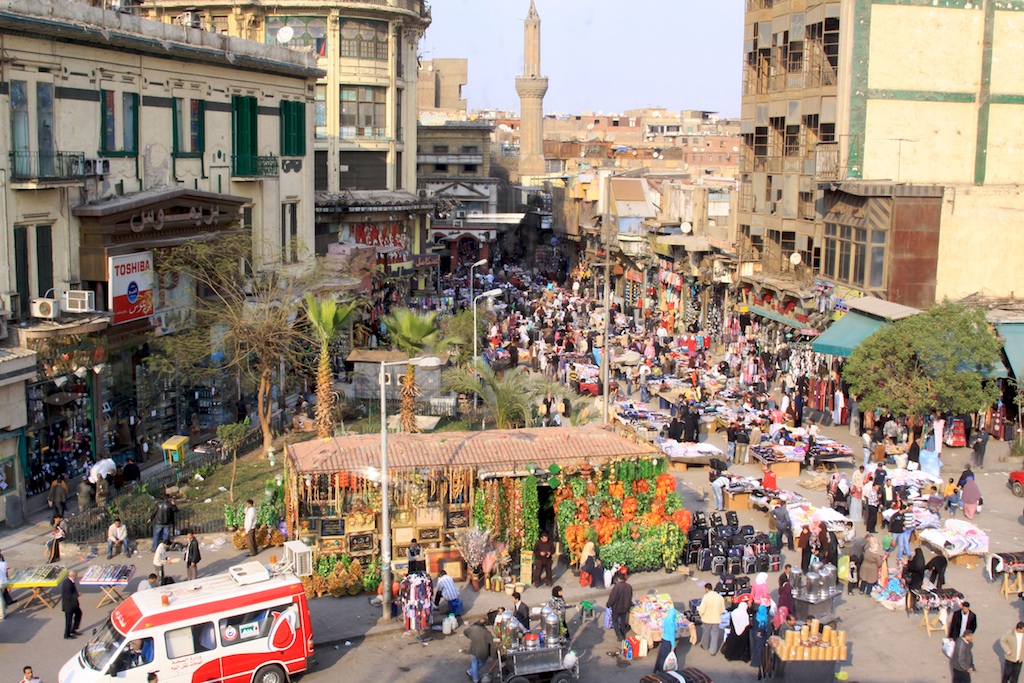
The local market – Cairo

This morning, Barnaby and I got to sleep in until 6:30 (yeah — that qualifies as sleeping in on this trip). The rest of the group that we’ve been traveling with for the last three weeks all flew home this morning (none of them had the time or inclination to go on to Alexandria). Last night, if given a choice, I may have opted to leave too. Twenty one days is about when I start to get road weary and really miss the dogs (and my soft bed). Cairo is particularly noisy, crowded, smoggy and nearly impossible to get around in, so I am really homesick for quiet Idyllwild. Our guide told us this morning that the roads of Cairo were designed to hold cars for a population of 600,000 but there are 20 million. It’s impressive the traffic moves at all.

Once we left our hotel, got to the main Cairo train station, and picked up our armed guard to walk to the platform (yes, the six of us had no less than 9 guards walking with us — we felt like dignitaries), I soon forgot about home and instead settled into my oversized seat in the First Class car (where else would VIPs sit?). Okay, so the carpet in the train has probably never been cleaned, and my seat was covered with stains and an olive pit, and the toilet is really just a hole over the tracks, but I was still happy and looking forward to the beautiful ancient capital of Hellenic Egypt: Alexandria.

Our "guards" seeing us off

The trip was a fast two and a half hours (I wanted it to be longer — I was having a nice snooze) we arrived in Alexandria and went straight to a local restaurant for a “light” lunch. It was anything but light. We had the usual endless supply of fresh bread (I’m sure we’re putting on tons of weight with all the bread and pastries we’re eating — I had two croissants and a coffee on the train at ten, after having had two poached eggs, two pancakes and two cups of coffee at seven), fresh falafel, hummus, tahini, fava beans prepared like refried beans, baba ganoosh (eggplant), and assorted pickled veggies. The table was so crowded there wasn’t room for my bottle of water. We didn’t have any dessert — that must be why it was called light. After our feast we headed out to see a Roman tomb and amphitheater. I’m not discounting those historic sites but by the time we drove to our hotel, King Farouk’s summer palace on the Mediterranean, got the grand tour and were taken up to our room — I’ve been sitting in the jacuzzi tub, which is where I am now.

First of all, I’d like to clarify that this is NOT a fancy trip. We have stayed in very middle of the road hotels. Our hotel in Petra would qualify as a “no star” establishment, fortunately it was the only really funky place. But this palace is light years nicer. And if things weren’t rosy enough — they upgraded us to a suite — which is bigger than our apartment in NYC, our NEW apartment. The furnishings are Rococo — straight out of Versailles. AND we have FREE internet. There is a God!  Speaking of God — I’m going to actually miss hearing the prayers. The Imams have to have good voices and I’m really starting to enjoy their singing, especially if they aren’t amplified to distortion.

Our palace bedroom

We had a great last day in Cairo yesterday — our “Spiritual Cairo” day. Starting at the Citadel, high above (or in) the smog, we saw two mosques there then drove down to old Cairo and saw two Coptic Churches, one that claims to have a cave that harbored Mary, Joseph and Jesus from the Egyptians, and another where some miracle happened. I’m afraid I don’t always catch all of the discussion — I tend to wonder off taking photos, and since it was Sunday and both churches had services going on, I was much more interested in people watching. Right around the corner from the “Hanging Church” was a synagogue, also ancient, and we ended the day at the oldest market in Cairo, possibly the world.

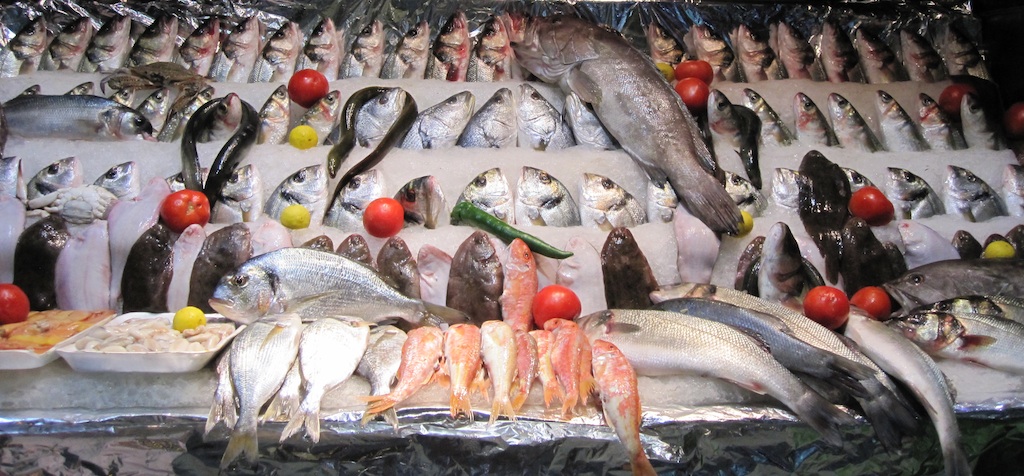
We’ve just gotten back from our first dinner in Alexandria — we had all the usual appetizers but tonight we had delicious fresh fish. Since we’re on the sea, we’ll probably have fresh fish at every meal — which is fine with us since we’ve had a lot of chicken. I’m including a photo for my “Isis” gang — they were all so good at photographing our meals. We miss you all — hope you got home safely.
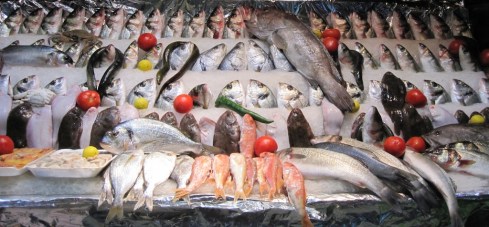
Mas salaam.
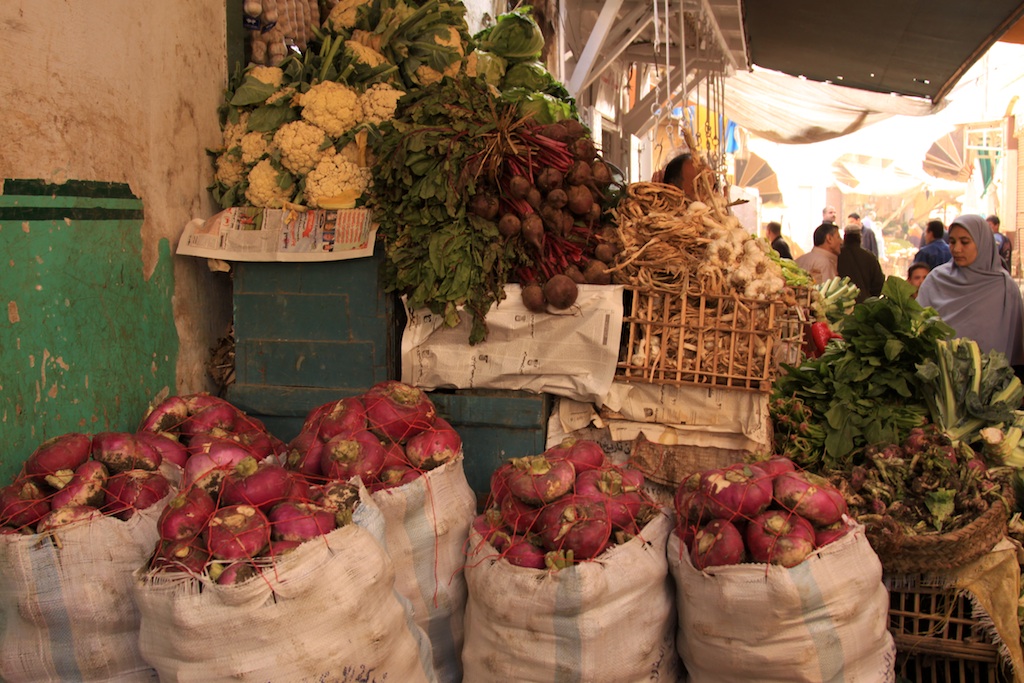


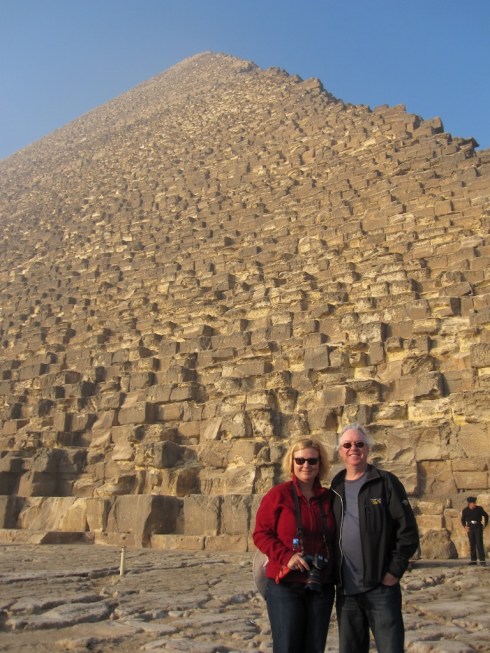
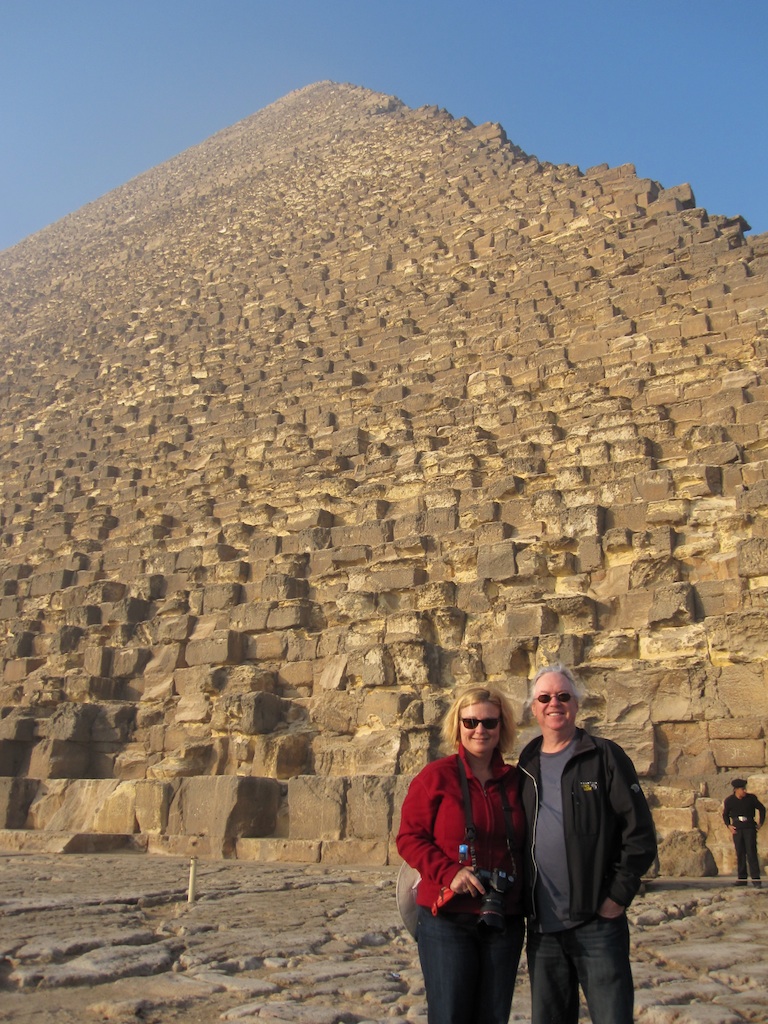
Early morning at the Great Pyramid

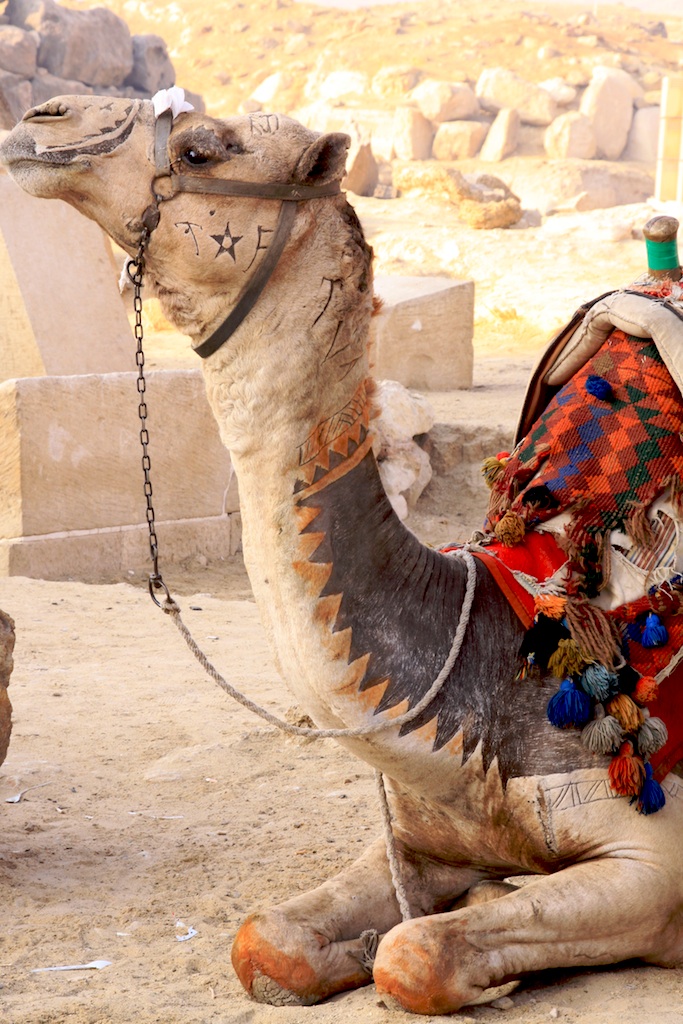
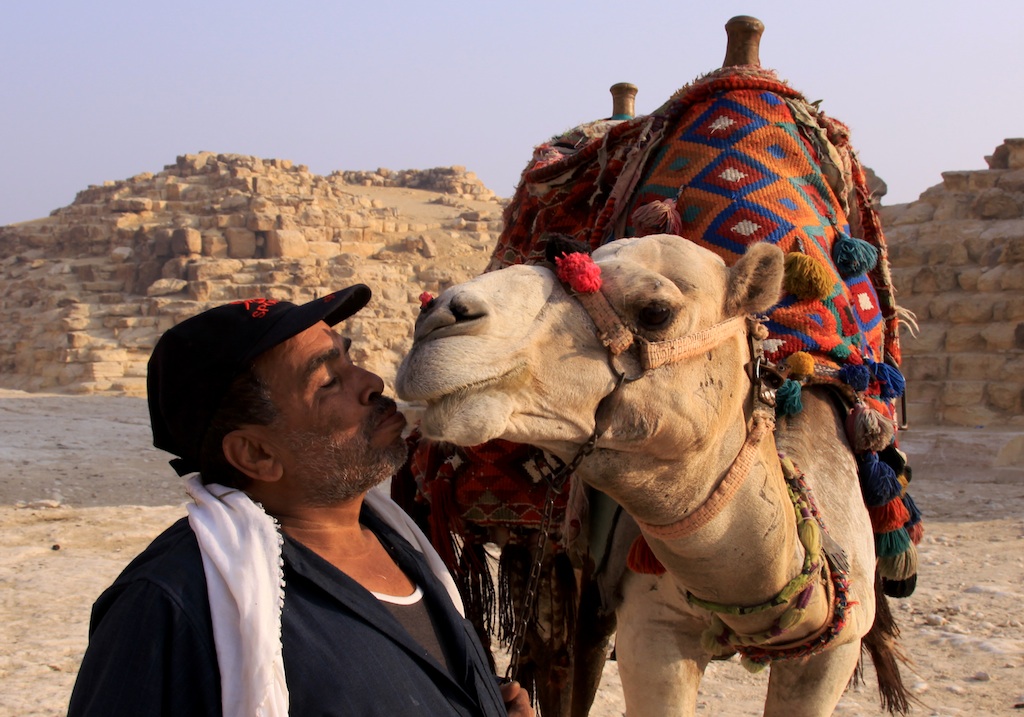
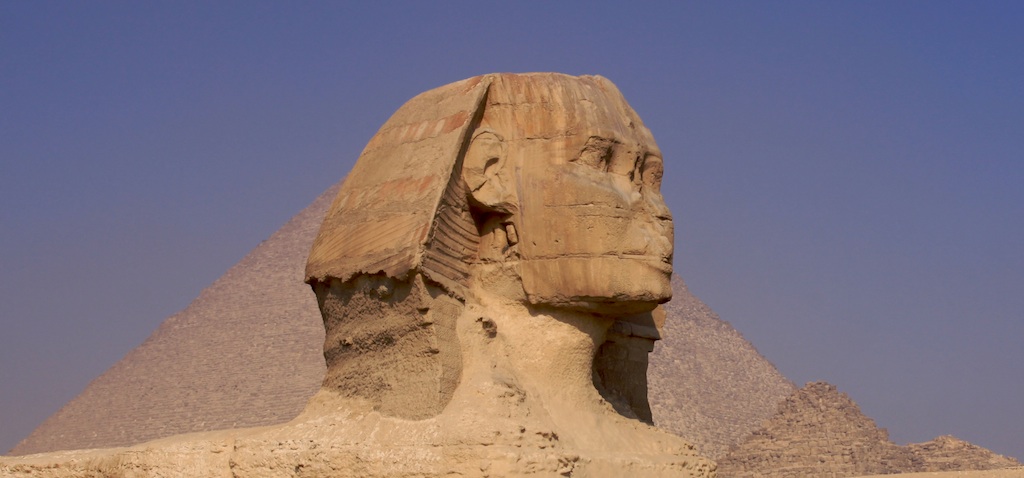
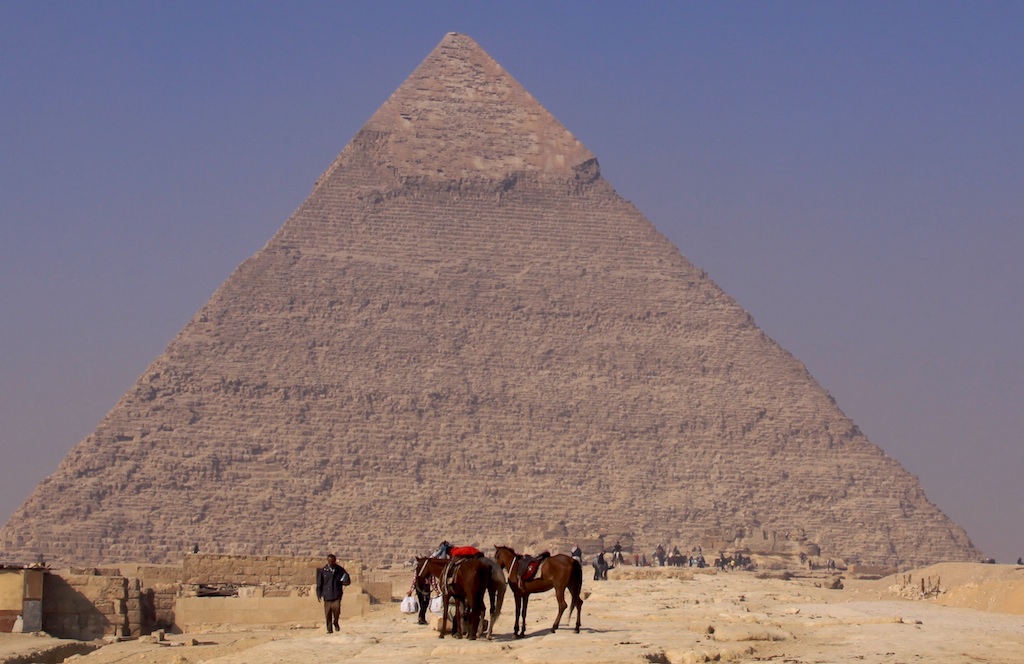
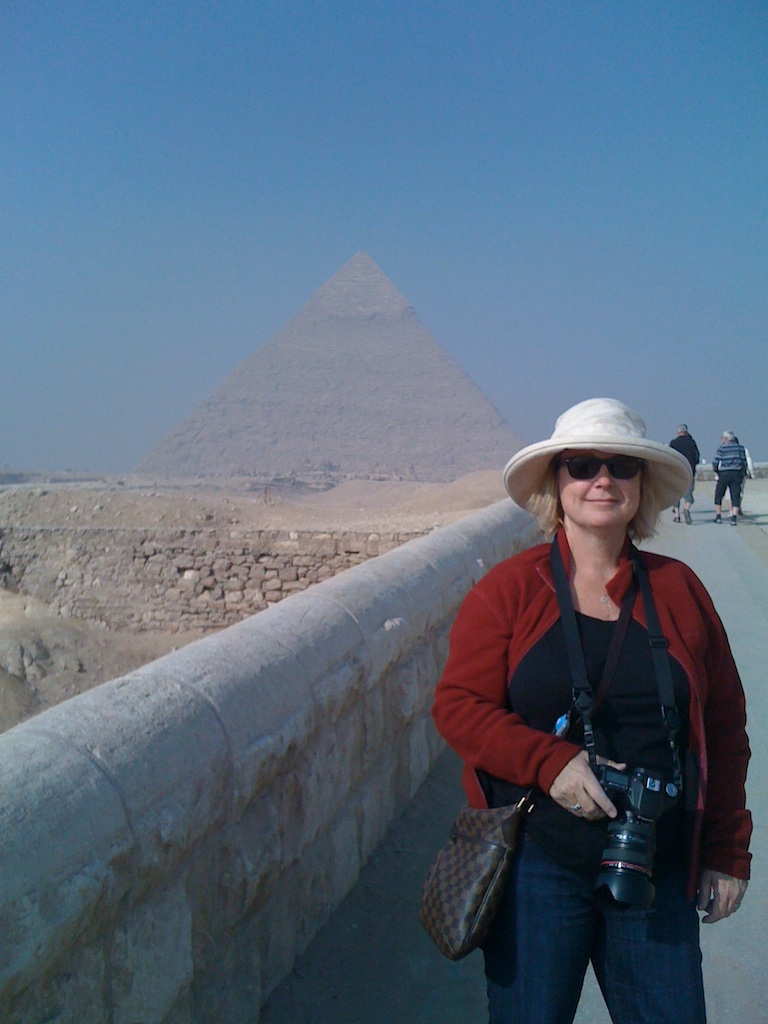
We spent the morning at the pyramids of Giza. There are about 130 pyramids in Egypt, today we visited 6 — the three at Giza, including the largest, and three at Sakkara — the oldest. The camels and horses were the most beautiful I’ve seen yet — it was hard to look at anything else. You can see for yourself.

I would bring a camel home if I could.
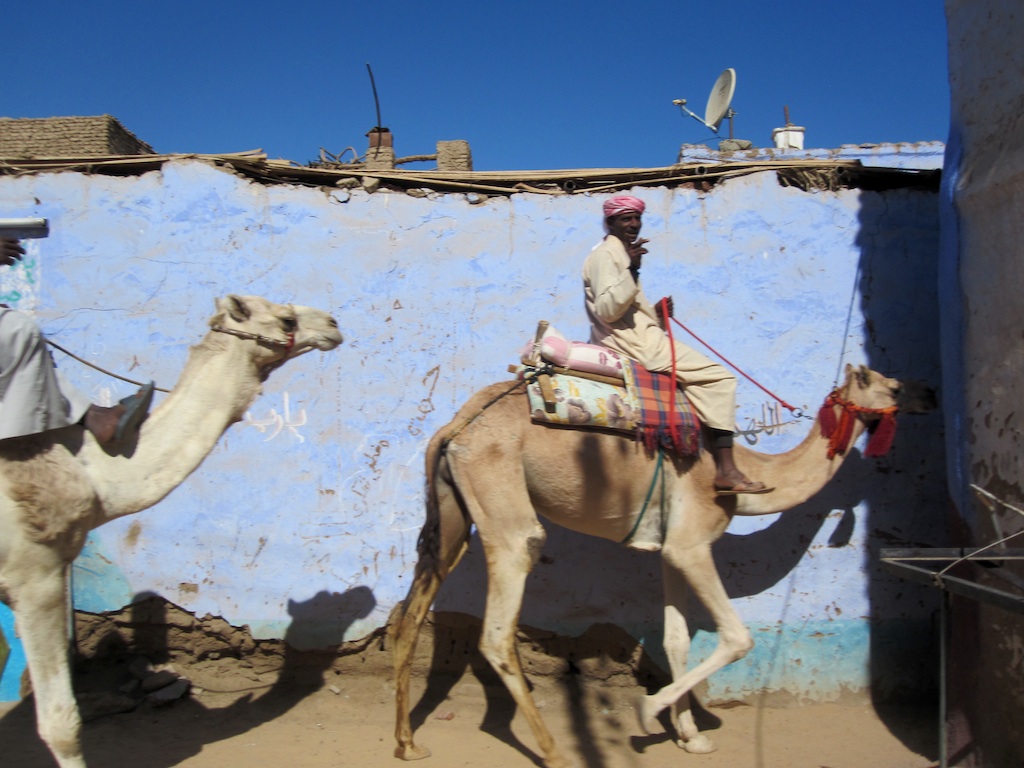
Mas salaam!


Cairo

Greetings from Cairo! We’ve just arrived back from our trip to Upper Egypt, that’s down south for those of you that didn’t know the Nile flows from the south to the north. I have learned more about Egypt in the past couple of weeks then you’ll ever want to know. Upper and lower Egypt were united around 3,000 BC, they broke up a few times, but the unification was a big deal and always memorialized in their art. Everywhere there are alternating lotus flowers and the papyrus, a design so lovely that it has been borrowed by many modern designers (it all looks very familiar).  Luxor, or in ancient times Thebes, was the capital of ancient Egypt and has the most temples, shrines and tombs. The pharaohs were obsessed with death, or rather their afterlife, so they spent their entire life planning for it. They also spent a good bit of time fighting wars and having children like the 105 Ramses II fathered (he lived a very long life — 93 years). You probably know the pyramids were tombs, but they were so big they were easy targets for thieves. The tombs we visited yesterday in the Valley of the Kings, were hidden, some — like King Tut’s — was hidden for centuries. Tut’s was also one of the smallest found — he lived such a short life that when he died his priests had to get his tomb ready in a big hurry, the paint didn’t even have time to dry!

We’ve had an incredible, if at times exhausting, time. Not only have we seen temples and museums, but we’ve also visited some local’s homes, a school and a women’s sewing workshop. We had tea with a Nubian family and spent another morning with a family that farms on the West bank of the Nile. In ancient times only the tombs were on the west side — you know — the sun sets in the west so that’s where you spend eternity. About 40 years ago the government offered small plots of land to people there for farming. Now they’re regretting it because the land is so full of ruins they’re afraid they won’t be found with people living on them. But the desert has already consumed many temples — who knows what’s really out there.

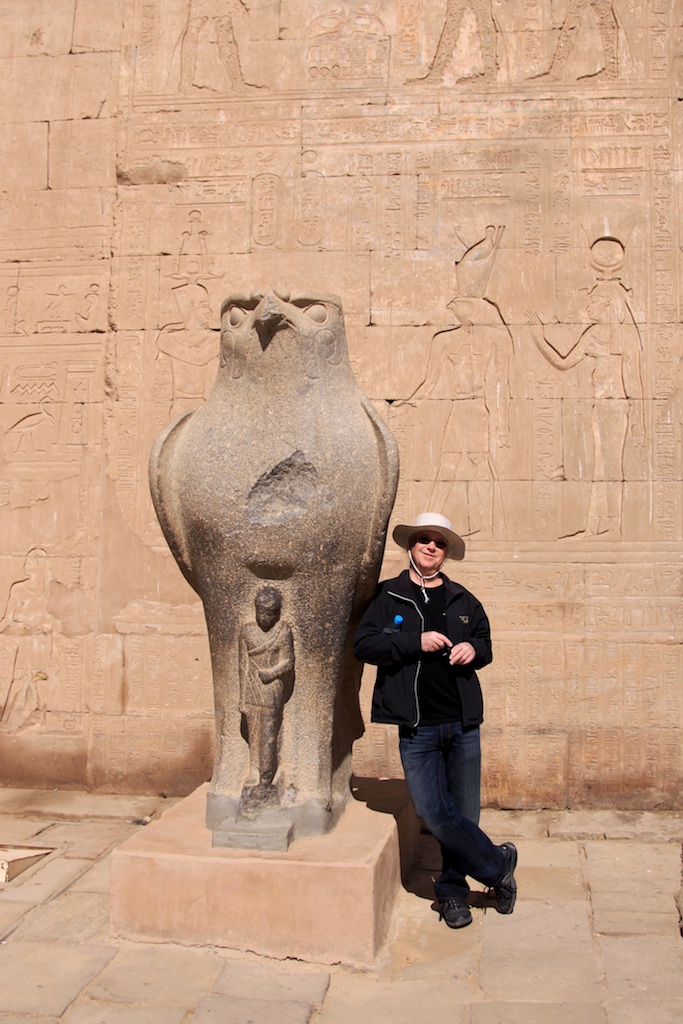
This is Barnaby leaning up against a statue of Horus, son of Isis and Osiris, a favorite god — his eye, which was lost in a battle, is good luck (I didn’t make this up!).


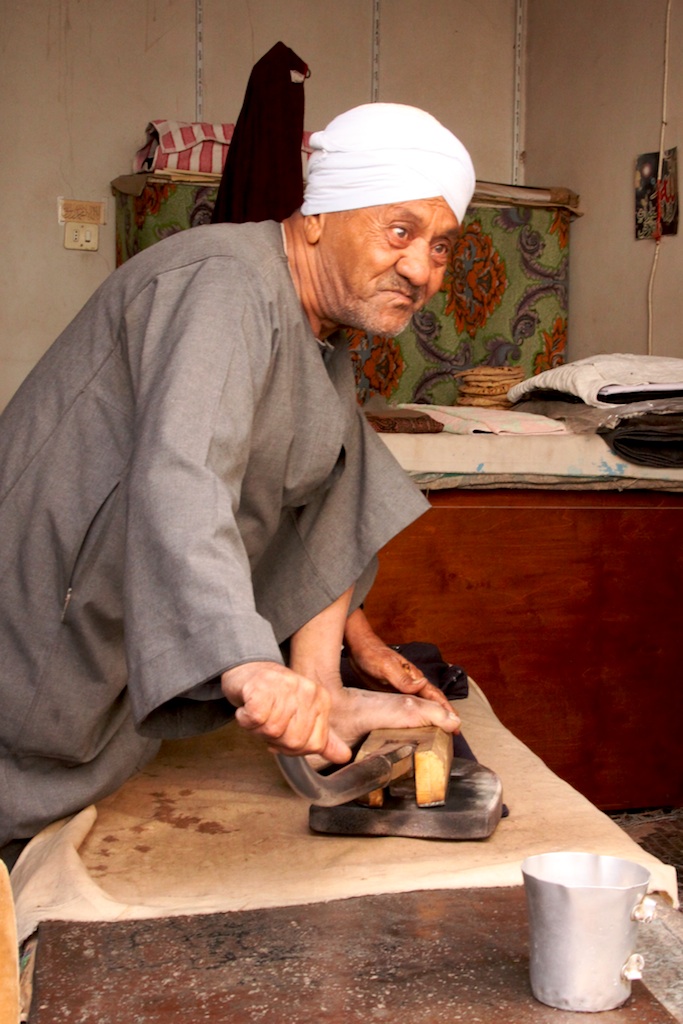
We spent a morning wandering through a small village as they were going to work — just waking up. This man has an ironing shop. He fills his mouth with water and sprays the fabric with a fine stream for steaming. It was hilarious and very effective.

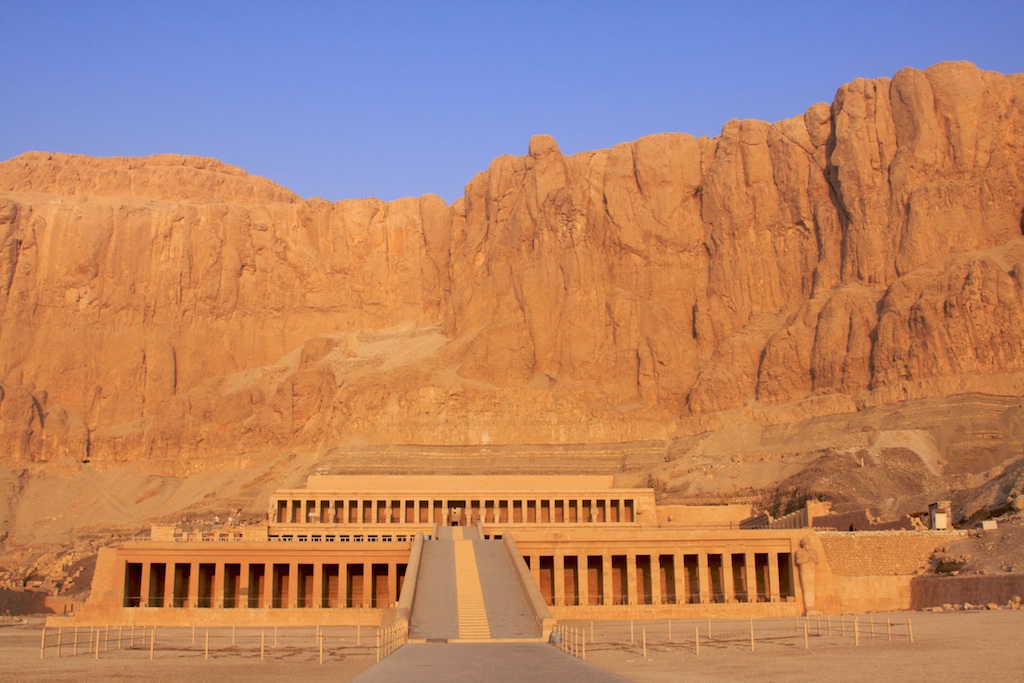
This is the Temple of Hatshepsut. She was the only woman to rule Ancient Egypt. Hatshepsut was a very good king — she kept her people out of war and broadened their trade with neighboring countries. Her temple is very different from all the others we saw — the architecture was very modern looking even though it was built around 1,800 BC. She had an affair with her architect but couldn’t marry him because he wasn’t royally born. Hatshepsut frequently dressed like a man — she had to work very hard to convince the people she could rule. She ruled for 20 years.

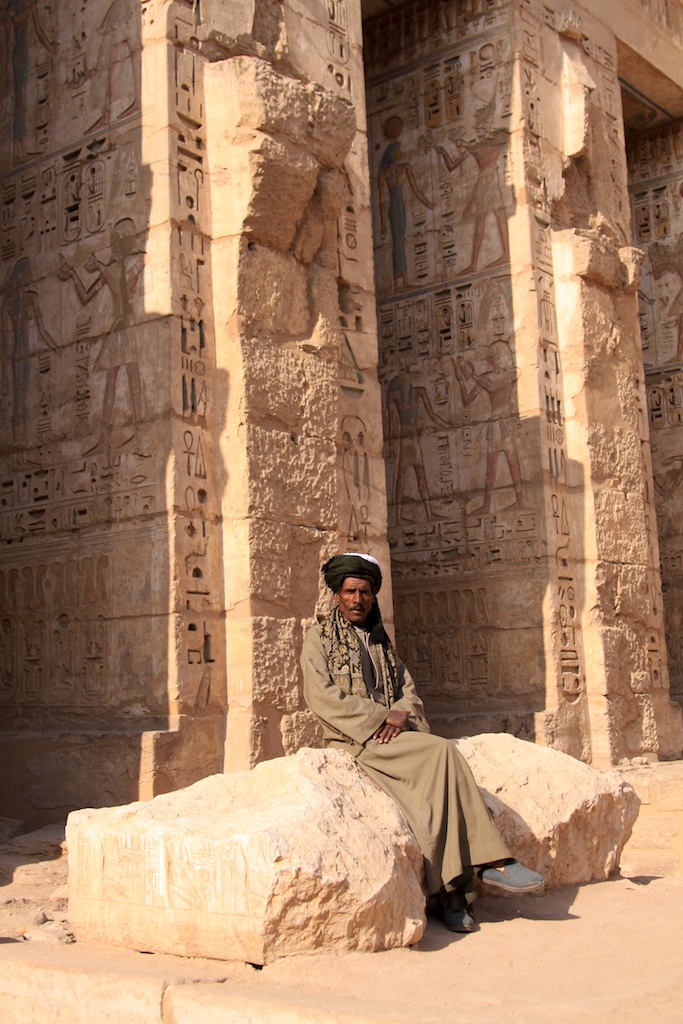
The gentleman seated on Ramses III throne was our impromptu guide yesterday afternoon. He was hilarious. He pointed out all of the carvings of penises, something our lovely guide Caroline generally does not do. Apparently the kings wanted their men to bring back proof of the number of enemies killed so they would bring a hand, but some cheated and would bring both hands from the same man and claim they had killed two. The king stopped that by ordering them to bring back the penis instead. Yikes — those were tough times.

We’re spending several days here in Cairo then on to Alexandria. I’ve already taken about 2,500 photos — get ready for the big slide show. Our weather has been spectacular — cool mornings, warm days, cool evenings — just like home in the springtime. You all would be very happy having a beach vacation here. Caroline tells me there are private “ladies” beaches in Alexandria so all the veiled Muslim women can wear a bathing suit and relax. The men here are very aggressive. If I wonder off alone at all I get hit on. Yesterday I almost jumped out of a moving tram to get away from a creep. The old man I photographed yesterday at the temple knew I was with my husband so he asked if I had any sisters. You’d think they never see plump blonds!


Mas salaam!


Jaresh & Petra, Jordan then on to Egypt

Whew! We finally have internet service here in Aswan, Egypt. Our group arrived in Cairo a few days ago (I’m really starting to lose track of time). We spent the next day at the Egyptian Museum in Cairo, then flew on down to Aswan. Cairo is a city of 20 million — a real wake-up after sleepy Jordan. Our hotel in Cairo was complete with several bars and a casino — it almost felt like Las Vegas. Jordan is so conservative it was tough getting a beer there, Egypt is a real contrast, though I am listening to evening prayers right now — I seem to always hear them in the evening and before sunrise. And most women are wearing veils — I didn’t remember seeing that 30 years ago.


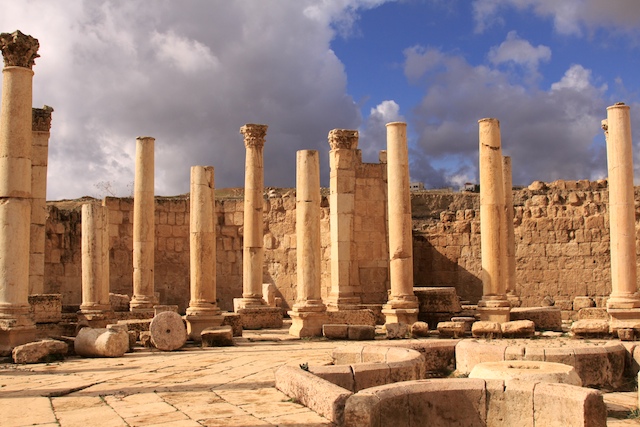
The agoura at JareshThis photo is from a Roman city in Jordan called Jaresh. We were astonished at the extent and condition of the ruins and there were so few tourists we had the place to ourselves.


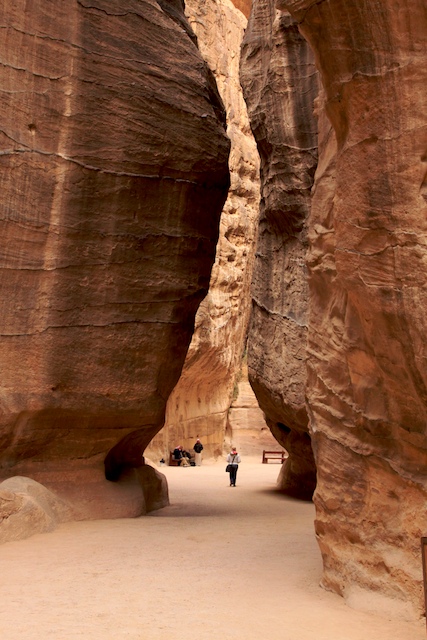
The "siq" or canyon which is the entrance to Petra


After visiting several sites on the way, we finally arrived in Petra late Sunday. The next morning it was cold and cloudy, I was so sad thinking I wouldn’t get any photos (there’s nothing worse than a landscape with a white sky). But by the time we walked the 2.5 miles into the town, the clouds had burned off and it was a spectacular day. We’d had wonderful weather all but one afternoon. Jordan is so desperate for rain I felt bad wishing the weather forecasts were wrong.


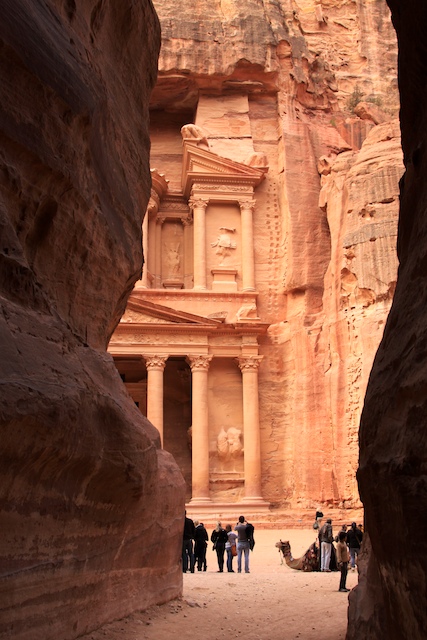
The Treasury, Petra


Petra was even more magical than I ever imagined. For one thing — it’s a whole city — not just the Treasury building. Petra was built by the Nabateans around 600 BC. The Romans moved in and built three theaters, baths, and several temples. Up until 1985 the Bedouins were living there in the caves, but when Petra became a World Heritage Site the Bedouins had to move out. A town was built for them close by — where our hotel was located. The locals still make their living in Petra: giving horse and camel rides and selling trinkets.

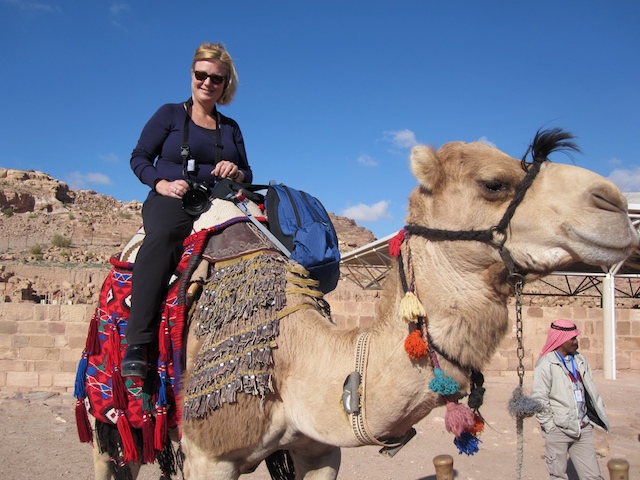
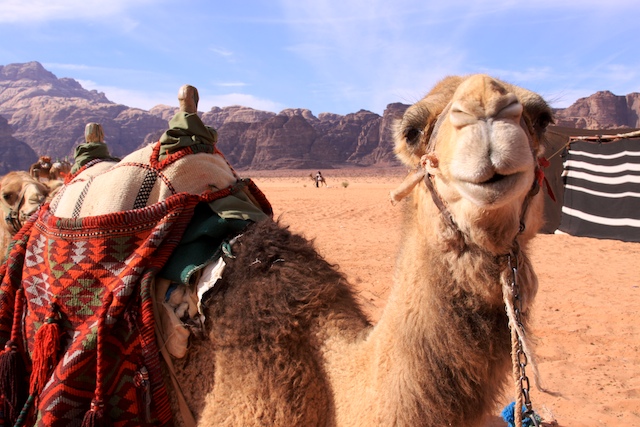
I managed to last all morning but finally broke down and went for a ride. My camel is about three years old and very sweet. No moaning and groining when I climbed on like the camels in India.


My camel driver!

The desert of Wadi Rum


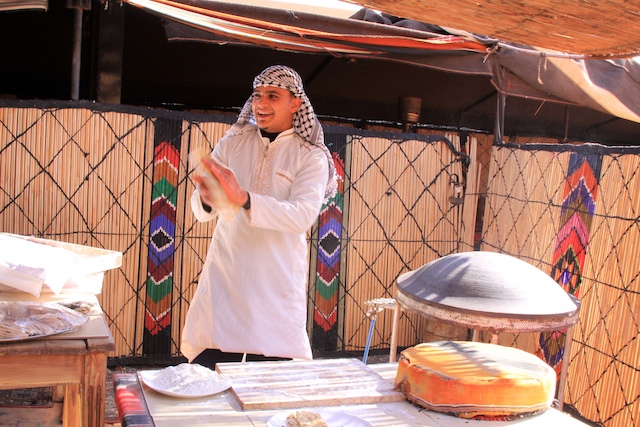
We left Petra and spent the next morning in Wadi Rum — Lawrence of Arabia country. They took us 4-wheeling across some particularly scenic parts than we had a traditional Bedouin lunch at an oasis. I really enjoyed the “Bedouin pizza” — pita bread stuffed with goat meat.


Making "shraak" very similar to a flour tortilla but better!


And there were more camels….

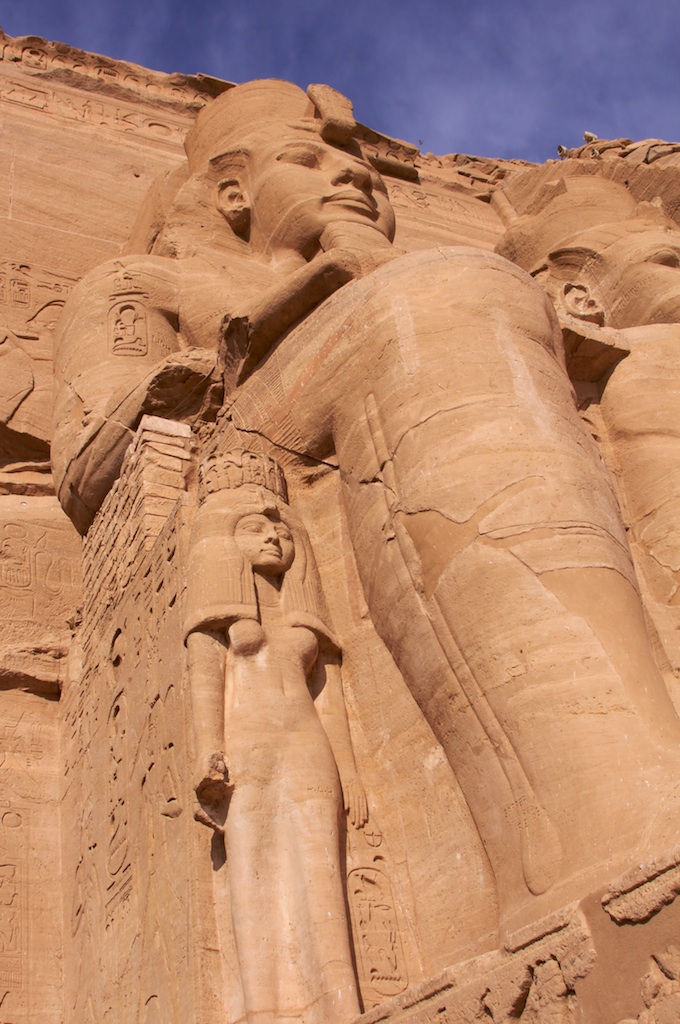
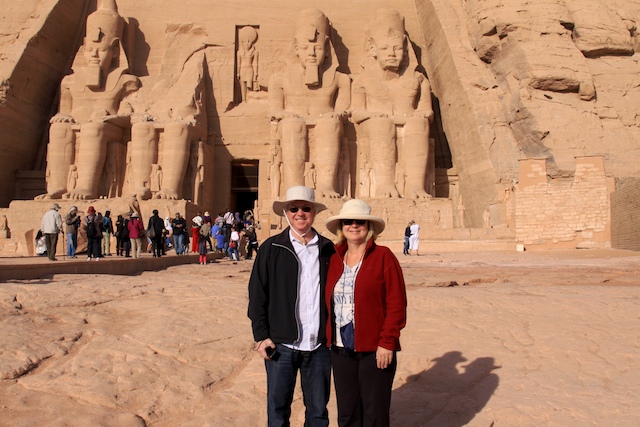
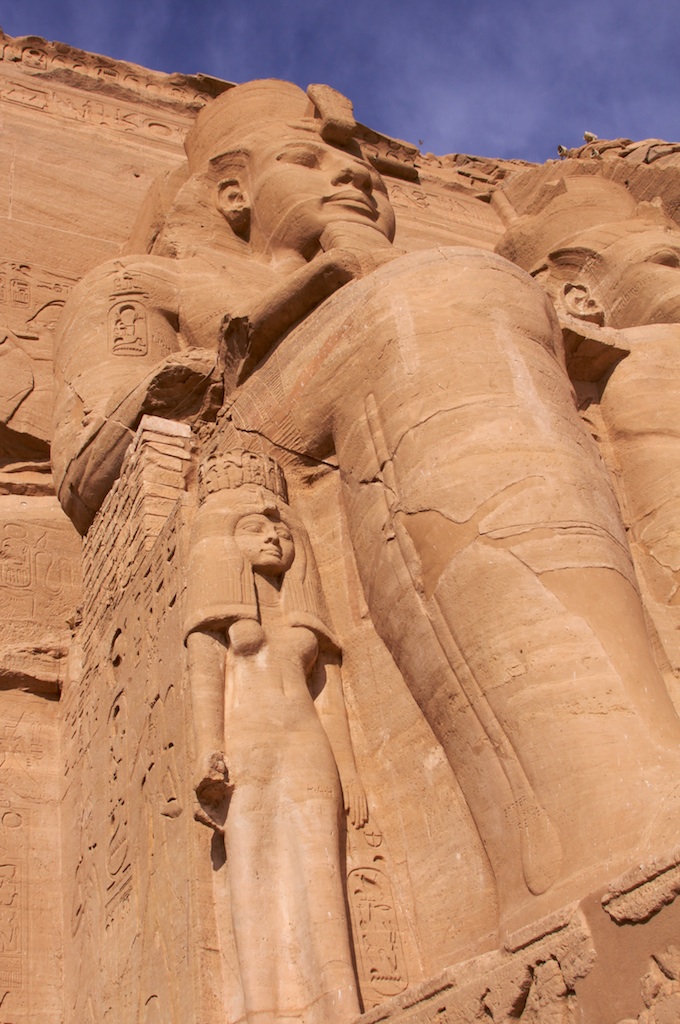
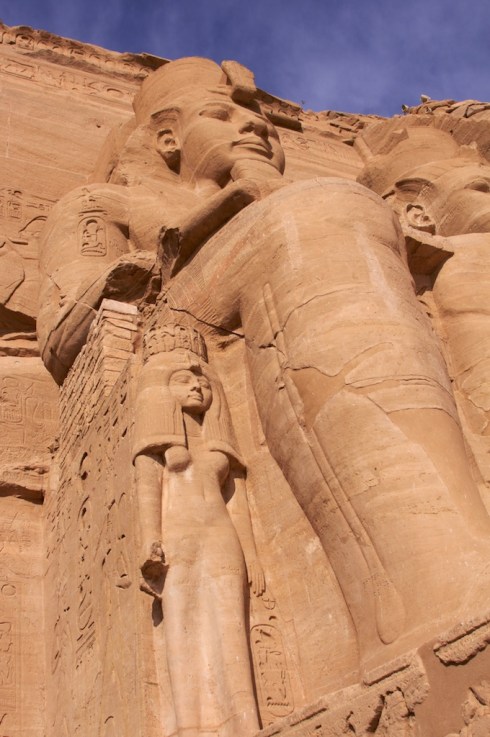
We’ve been to so many temples it’s all starting to blur. It’s a good thing I take a lot of photos to jog my memory. This morning we got up at 4 and were on the road at 5, yes 5 am (can you believe we haven’t slept past 6:30 since we got here?) to drive down to Abu Simbel where we saw the temples of Ramses II and Nefertari (his favorite wife — who was Nubian). These were some of the temples that were moved after the high dam was built in Aswan back in the 1960s. If they had not been moved, which was nothing short of miraculous feat of engineering, they would have been completely covered and destroyed by Lake Nasser.


Ramses II Temple, Abu Simbel


Tonight we’re going to dinner at a local’s home. We did that one night in Amman and had an interesting time. We’ll have plenty of stories to tell when we get home. Hope all is well — we miss you!


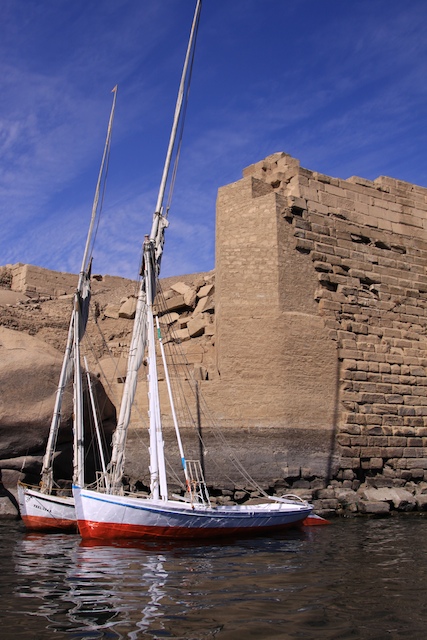
In the Nile


Jordan, January 7, 2011

After spending what felt like 24 hours traveling — 3 hours at JFK, 11 hour flight to Cairo, 4 hour layover in Cairo, then 1.5 hour flight to Amman, we pulled into our hotel last night around 8:30 p.m. local time. Yeah — travel really is all glamour!

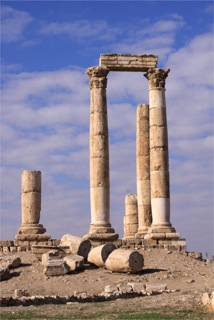
We got up early and started our first day in Jordan with a trip to the Citadel, located roughly in the center of town. Amman is not an ancient city, our guide tells us many times that it was mostly farm land up until about 40 years ago and its been growing exponentially ever since. The current population of Jordan is about 6,000,000, half of those live in Amman. But, people have lived in the surrounding area for thousands of years. The citadel is a walled fortress that contains enough ruins to keep archeologists busy for decades. Perched high on a hill is Hercules Temple. Mostly dismantled (the stones were used for other building projects) but nonetheless stunning.
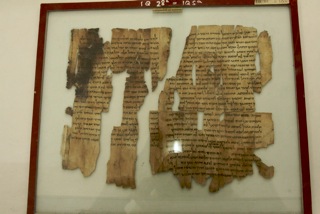
We visited the charming little museum built by the British during their “mandate” which was 1919-1946 (I’m not sure what the difference is between a mandate and an occupation). Among the many ancient pots, sculptures, and jewelry were some of the Dead Sea Scrolls. All of the labels are still the originals typed on a manual typewriter with clearly corrected mistakes. It doesn’t look like anything has changed in the museum since 1946.

Dead Sea Scrolls

Roman amphitheater Amman
In town, we visited a Roman amphitheater, as the Romans were in charge here after the Persians, from about 660 BC to 63 BC. Our guide tells us some of the best Roman ruins in the world are in Jordan — tomorrow he’s taking us to the Pompeii of the Arab world. Just 30 or so years ago the amphitheater was surrounded by farms, in fact they were farming right in the floor. It holds 6,000 people and is currently used as a theater several times a year. The stage had to be rebuilt and some of the seats after the big earthquake of 1927, but it’s amazing how in tact it is.
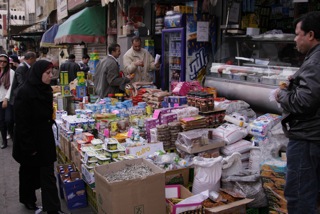
We walked through the Souk, or market, which was bustling. Friday is the sabbath day here so many of the shops were closed but the produce market was busy.
Then we headed to the Dead Sea for lunch and a swim. We were able to look across the lake and see Jerusalem and Jericho. Driving through what has traditionally been a very fertile valley, we saw fields covered with banana trees, tomatoes, corn, sheep, a few camels, horses, burros and a lot of families have roadside picnics. Water is in short supply so this once abundant breadbasket is in trouble.
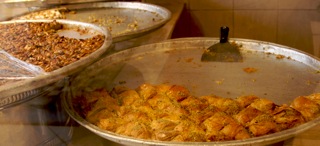
Our last stop was at the Holy Land sweet shop. We had a not-so-sweet delicacy of goat cheese, honey, shredded wheat and pistachios. Yummy!

NYC & Quilts

Barnaby and I arrived in New York a few days ago. We’re on our way to Egypt and Jordan, and are happily breaking up the long flights with a few days in New York at both ends of the trip. We were very lucky to arrive after the big Christmas blizzard and are enjoying relatively balmy weather for this time of year. There’s still snow piled up in the street but the temperatures have been in the 30s and 40s — very pleasant for walking.

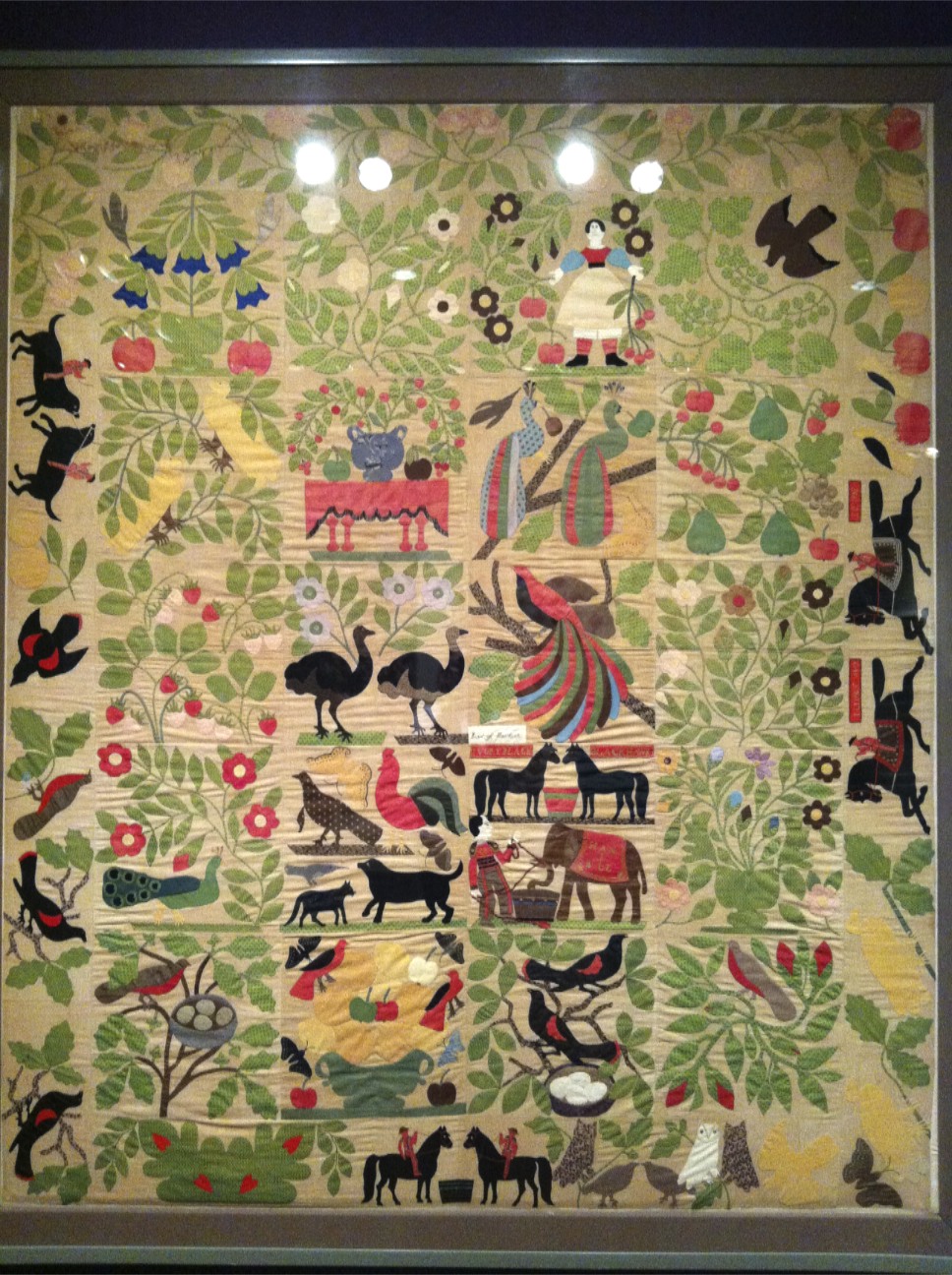
Our friends Dave and Carolyn from Tucson joined us for a couple of days. We all fly to Amman tomorrow and meet up with the rest of our group. Carolyn is an avid quilter so she and I spent the afternoon at the American Folk Art Museum enjoying their current quilt show. I learned so much from Carolyn and have an even greater appreciation for this special art form.

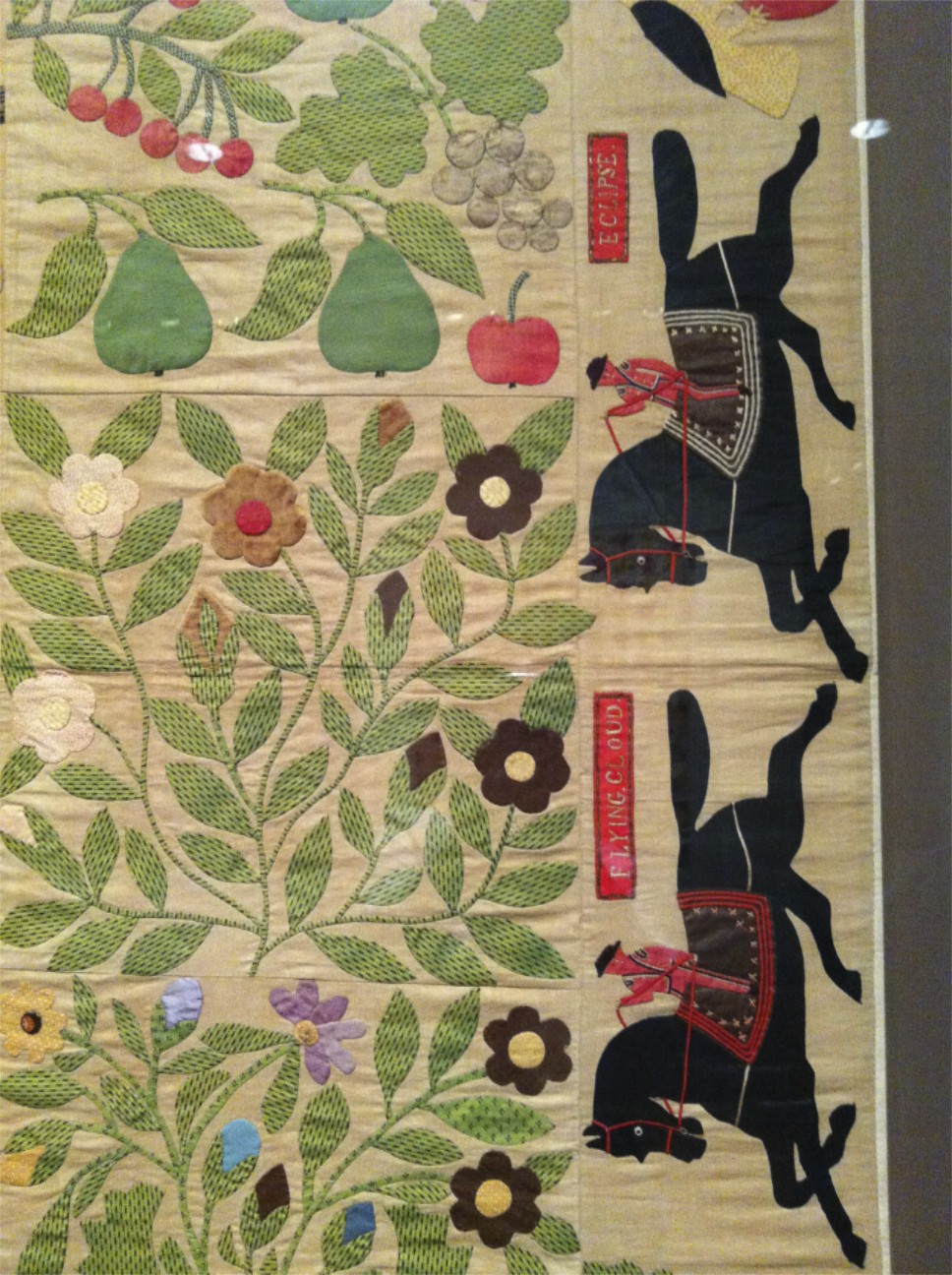
This quilt isn’t complete: it’s a quilt top (it doesn’t have the batting or middle layer, or the backing — so it hasn’t actually been “quilted’), perhaps because it was made in anticipation of a wedding that did not take place. Notice there’s no man next to the woman at the top. It contains many symbols of fertility: the pairs of animals, the nesting birds, and fruit and flowers. From 1860 to 1863 local ads advertised Hannibal the elephant (identified here as “Hanibal”), as performing in traveling circuses in New York City and throughout the Hudson Valley, so the quilt is thought to have come from Albany, New York, and is dated 1858 – 1863.

Detail from Bird of Paradise quilt

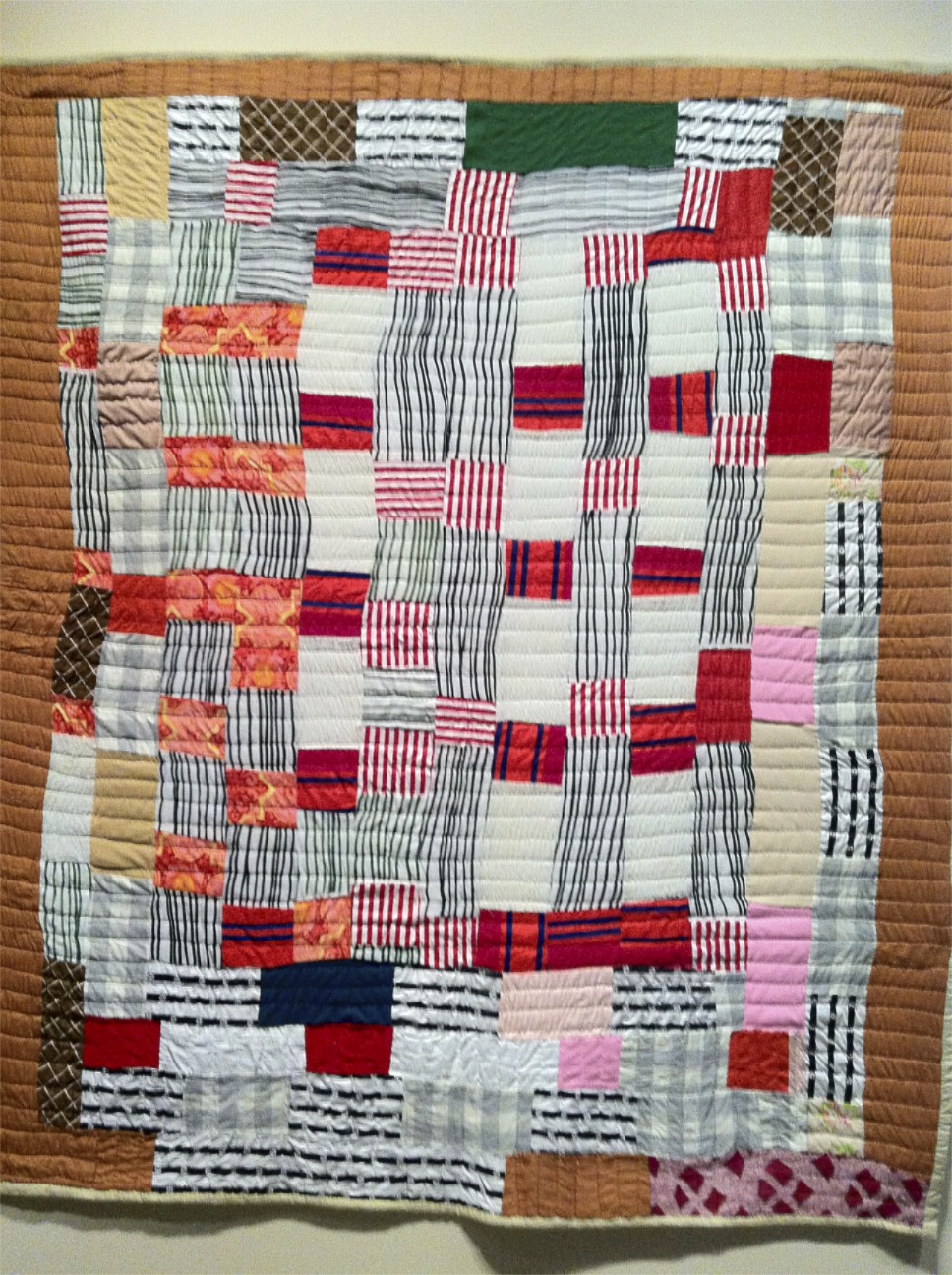
Another of my favorites is this beauty by Isabell Bester.  Strip piecing is a primary construction technique in West African and Caribbean textiles.

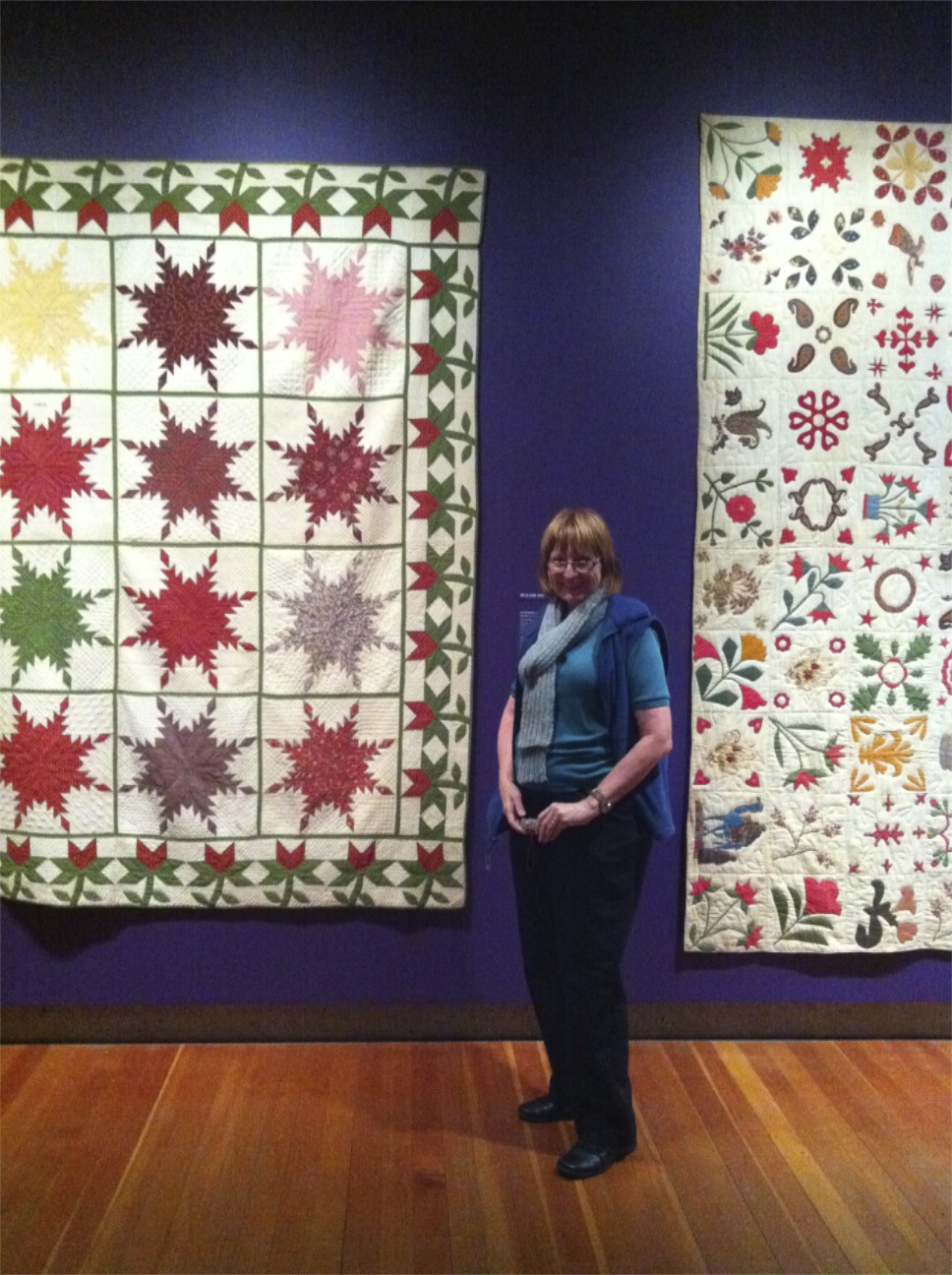
I admit I am drawn to the less traditional quilts — though they are all quite stunning. Here’s a photo of Carolyn. Notice the size of the quilts. Except for a couple crib quilts they were all large.

I’m sorry my photos aren’t in better focus — they were all taken with my iPhone using no flash.

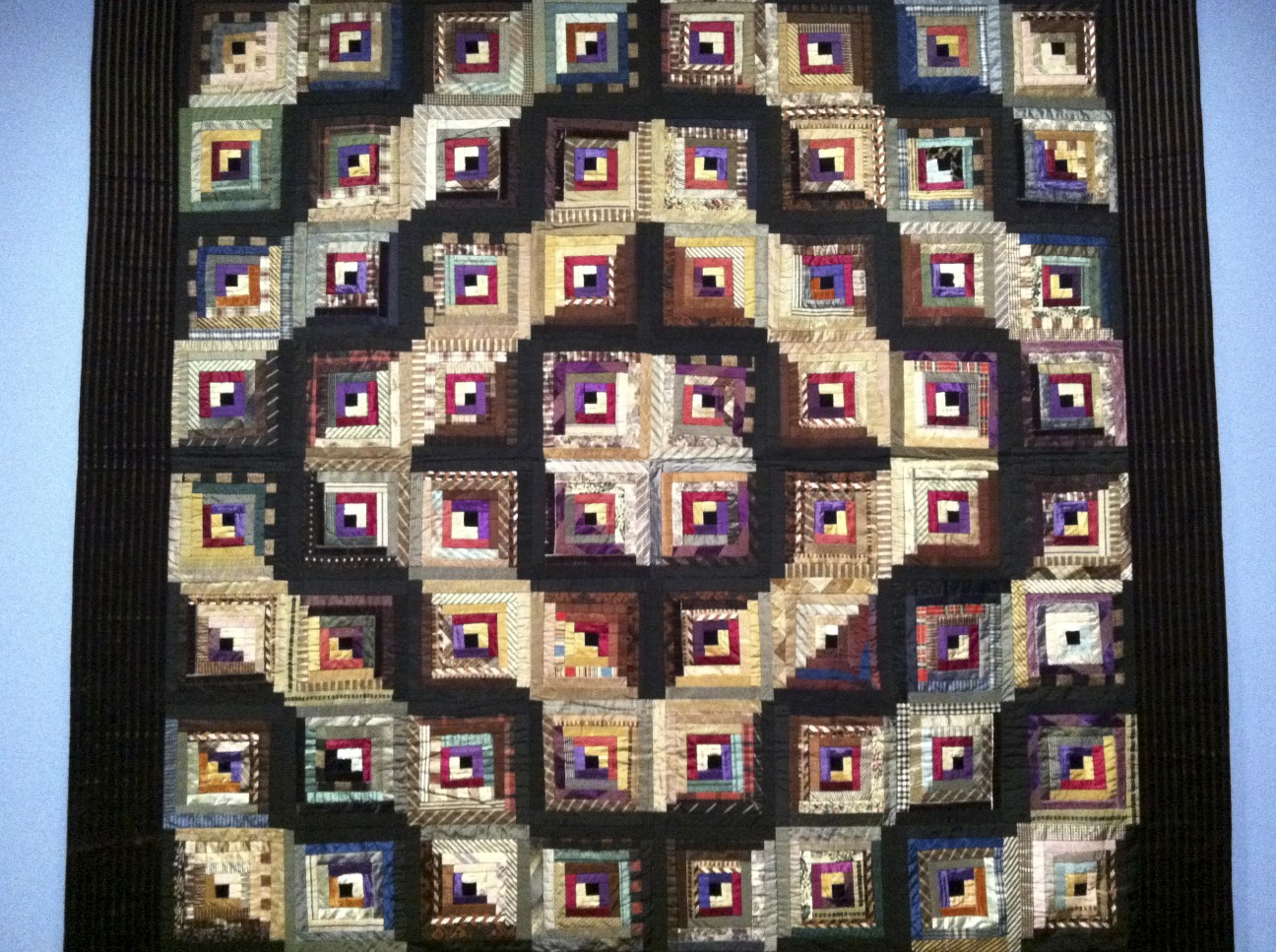
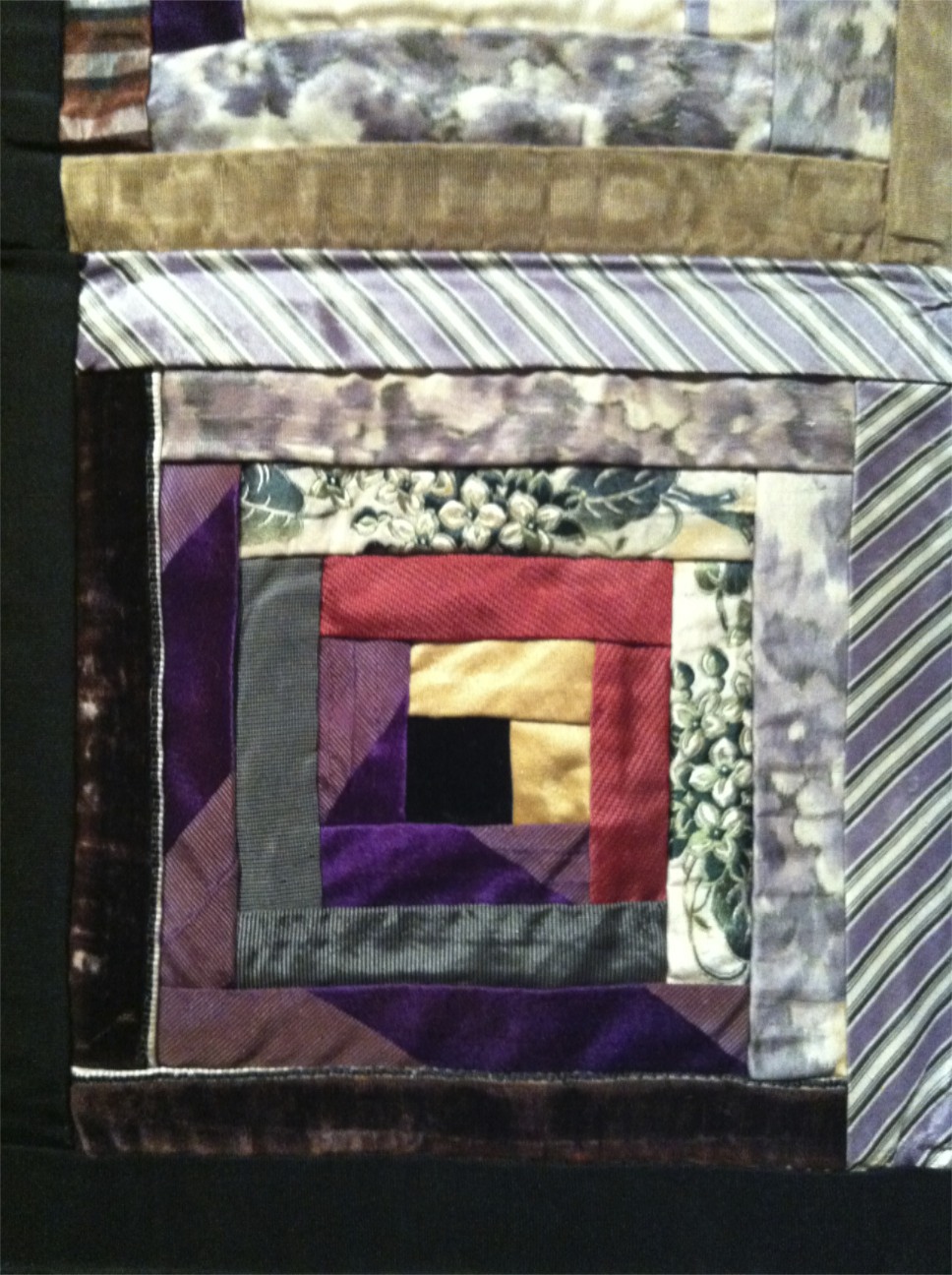
Okay — one more. This is a Log Cabin Quilt, Barn Raising Variation from Connecticut 1875 – 1885. This one is made of silk and was probably intended for decorative use and removed from the bed before sleeping. The detail was spectacular.

Detail from the Log Cabin quilt

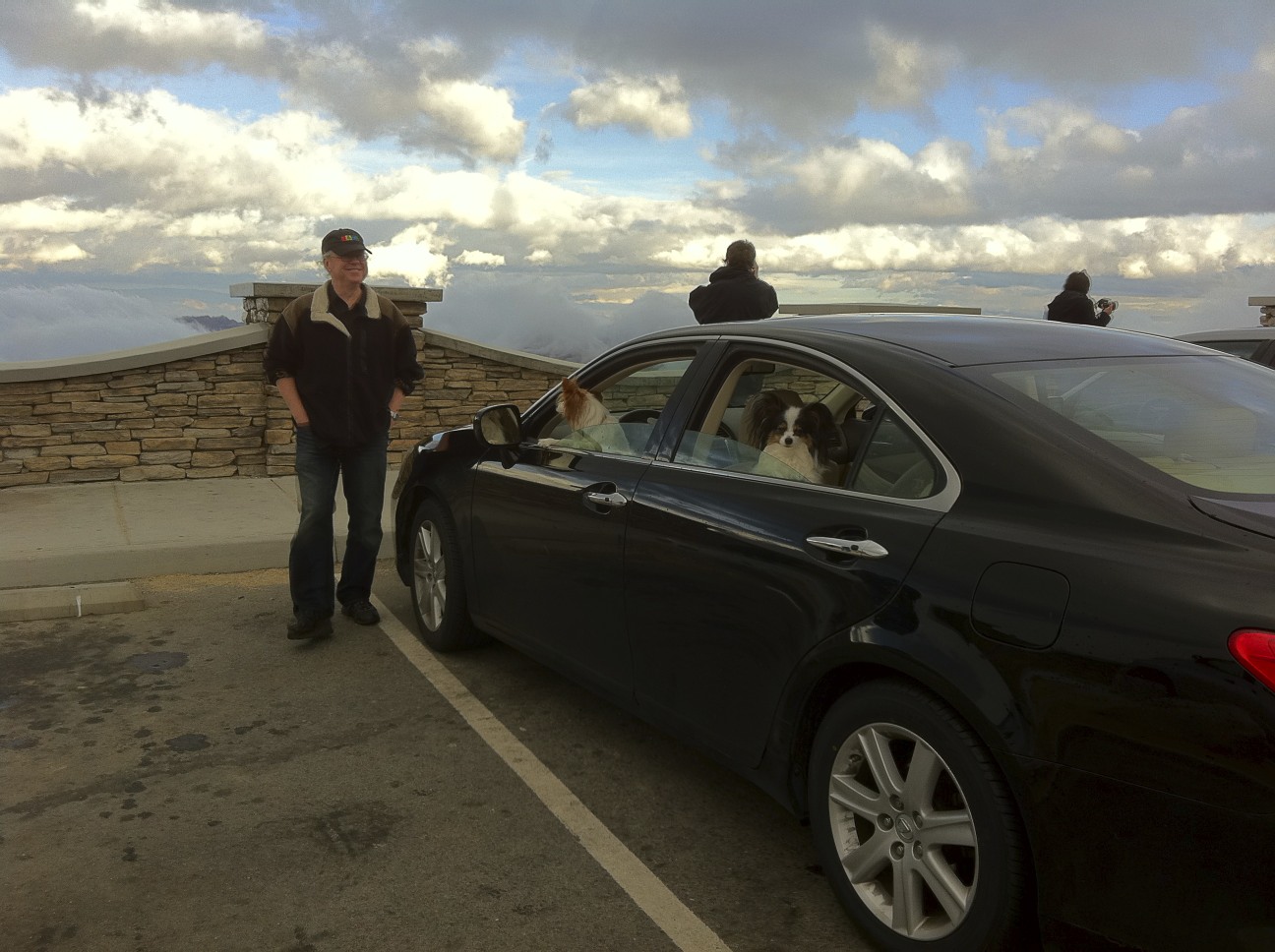
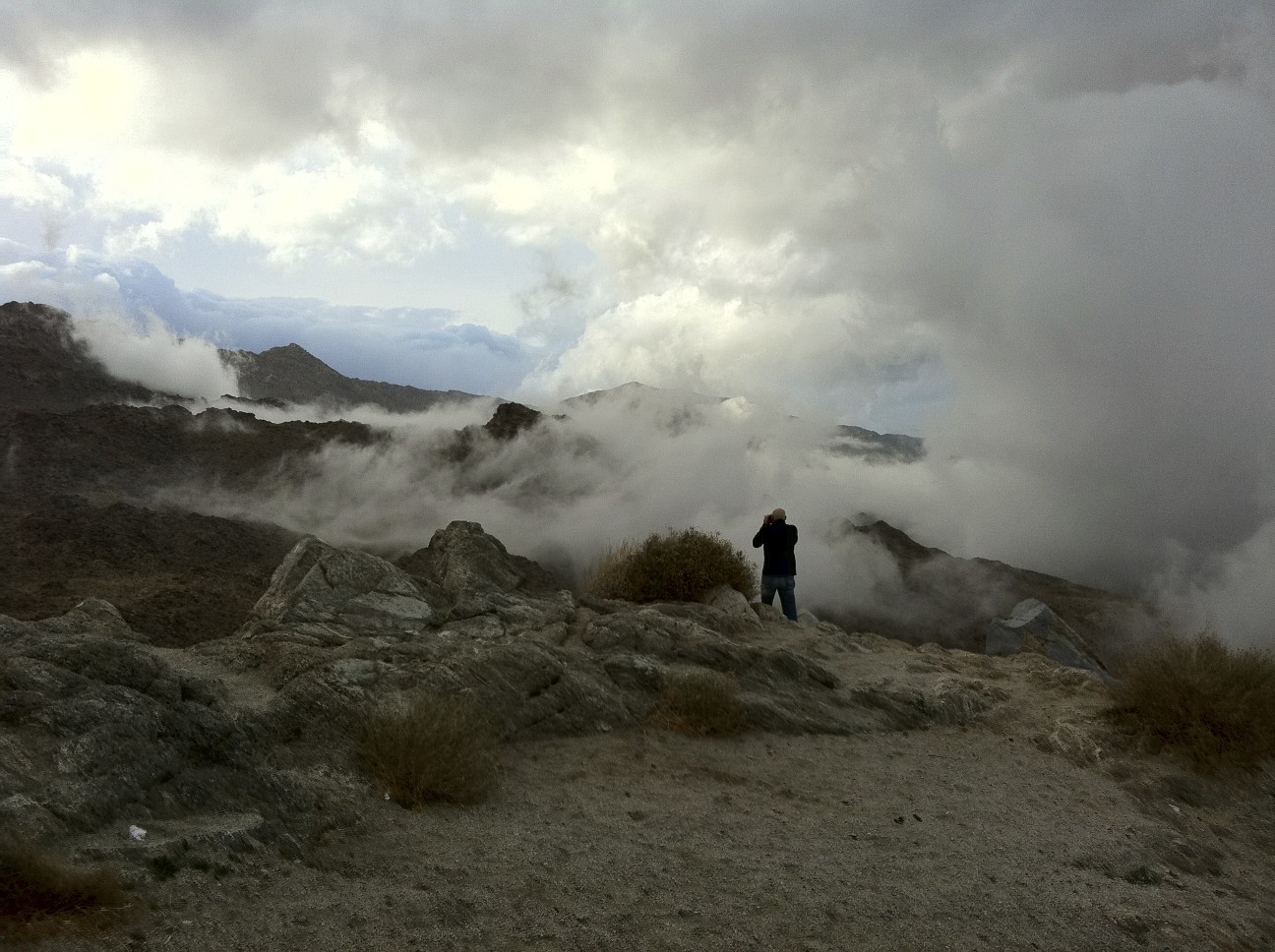
Since I miss my dogs already, here’s a photo I took last week on our drive down to Palm Desert the day after Christmas. The desert was completely socked in with clouds — a sight I have never seen before. We stopped at a view-point and I took a couple of photos.

Happy New Year!


Cambria

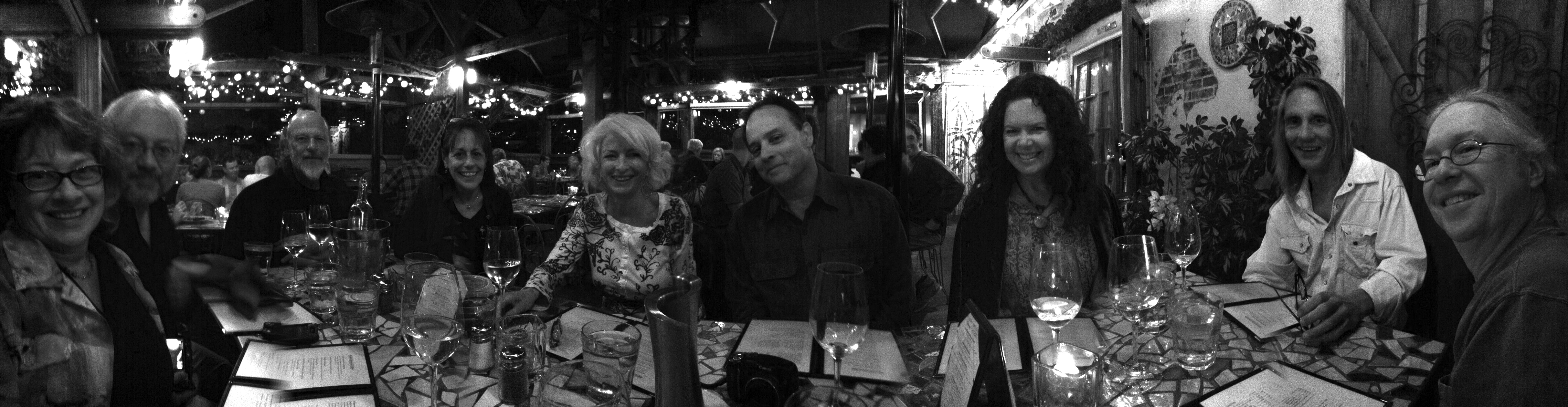
Dinner at Robin's

Usually at this time of year, our hillbilly band goes to Death Valley for a long weekend of music, desert hiking and bad food. But sadly, there was a fire in the kitchen at Stovepipe Wells so the Badwater Saloon is closed and our gig was canceled. Several of us decided to spend a long weekend in Cambria instead. The weather was cooler, the accommodations more comfortable, and the food much better.

San Simeon elephant seals

There’s nothing quite like a beach littered with elephant seals. This time of year they’re peacefully napping, but in a few months the beach will be a war zone of males fighting it out to determine who gets to breed and who doesn’t.

Jerry's automatons

We got to see our old friends Jerry and Kathy who live close by in Paso Robles. Jerry brought a couple of his wonderful automatons over for us to see.


Fall in Santa Fe, Angel Fire, Leadville and back to Idyllwild

October 20, 2010

Barnaby and I got back from the Baltic and we were home for about a week when we left again for a quick visit to Santa Fe to see my niece and her husband and then on to Angel Fire to visit my brother Zach. Plus we sold our little house in Leadville and it was time to go pack up and move out. I did take a panorama of our new house in Idyllwild, albeit on an unusual cloudy day.

As usual the drive was gorgeous, we managed to just miss the four tornadoes that touched down west of Flagstaff, Arizona. We discovered a fabulous restaurant in Winslow, Arizona — The Turquoise Room in the La Posada Hotel. I was looking on Yelp and thought we’d be lucky to find a Denny’s. Who knew we would discover a gourmet restaurant hundreds of miles from any big city. We weren’t the only people to find it though — we were lucky to get a reservation later that evening.

Ruins in Rice, California


Theo enjoying his stop in Rice


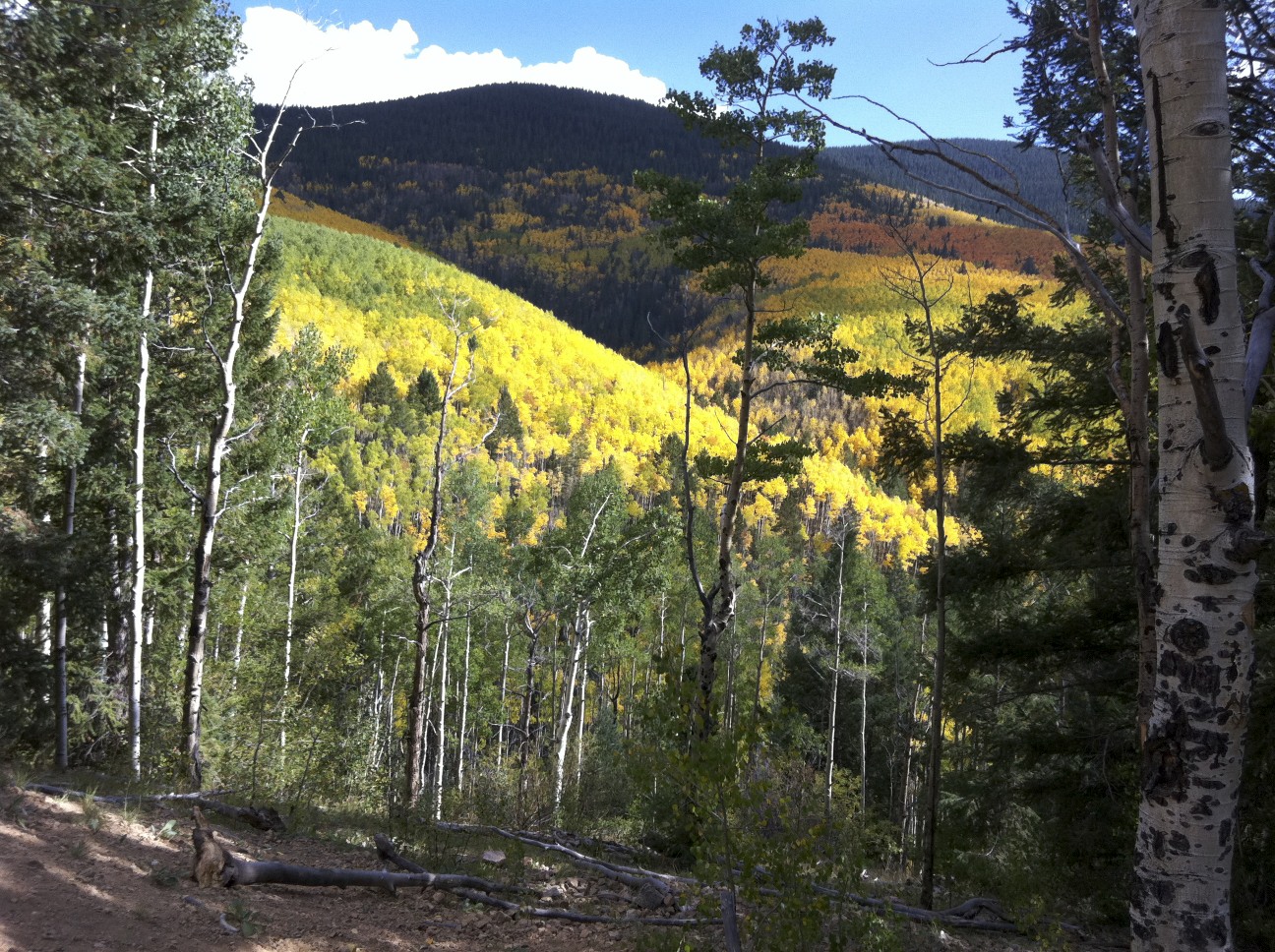
Fall colors near Santa Fe


We spent several days in Santa Fe enjoying a long overdue visit with my niece Amy and her husband Robb. We visited an open studio tour in Abiquiu. Among the dozens of artists represented, we enjoyed not only the art but also seeing how the artists live. This photo was from a weaver’s studio. 


Lavender farm, Abiquiu, New Mexico


On our way to Leadville, we stopped to see my brother Zach in Angel Fire. Zach built a beautiful log home there several years ago. He has a couple of cats inside, but the neighbor dogs come to visit frequently, probably looking for those special biscuits he keeps by the door for them. Winter comes early to Angel Fire, it was already brisk in early October. We loved it! It was still warm in Santa Fe.


Some of Zach's collection

Fruit stand near Taos on the road to Angel Fire


When we left Angel Fire, we drove north to Leadville, Colorado. Barnaby and I bought our little house in 2000. We completely remodeled it and had hoped to spend summers there, but never seemed to find the time. Since we hadn’t visited at all for a few years, we decided it was time to sell.  It seemed a shame to have such a lovely home sit empty. It was a bittersweet visit: happy to have sold the place to a nice young college professor, but sad to say goodbye. Leadville is sort of off the beaten track, and not the kind of place you’d drop by. This is our back yard on a typical autumn day — a balmy 40 degrees at 10,000 feet.


Road trips are the best!

All of these photos were taken with my iPhone — eat your heart out Nikon!


Wildlife of the Baltic

The Baltic isn’t really known for wildlife, but since I love animals, I always photograph them.There were no penguins or albatrosses in Poland, but they do have cats. This one in a closed shop window in Gdansk.

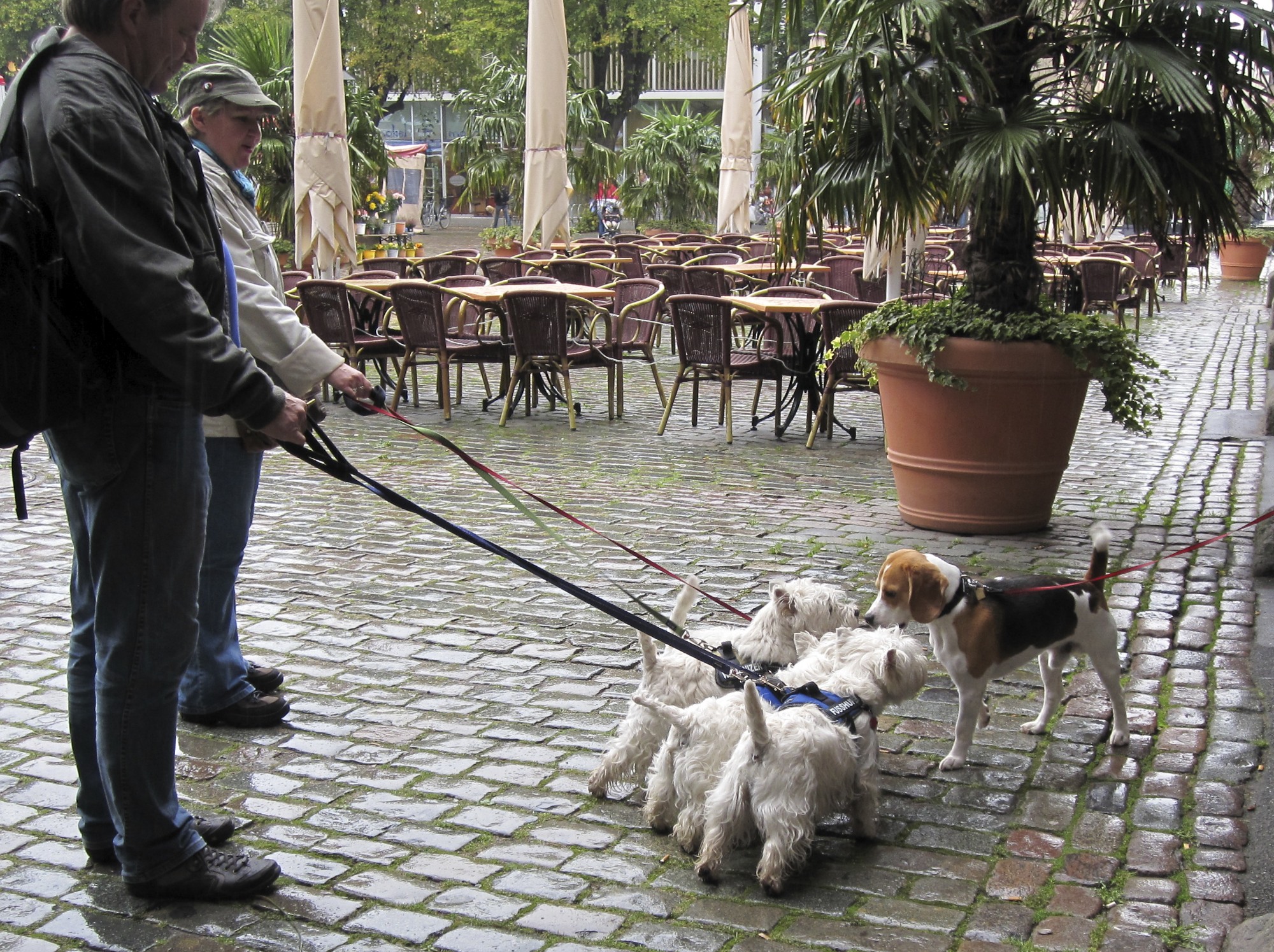
Dogs are social everywhere. This meeting in Lubeck, Germany. 

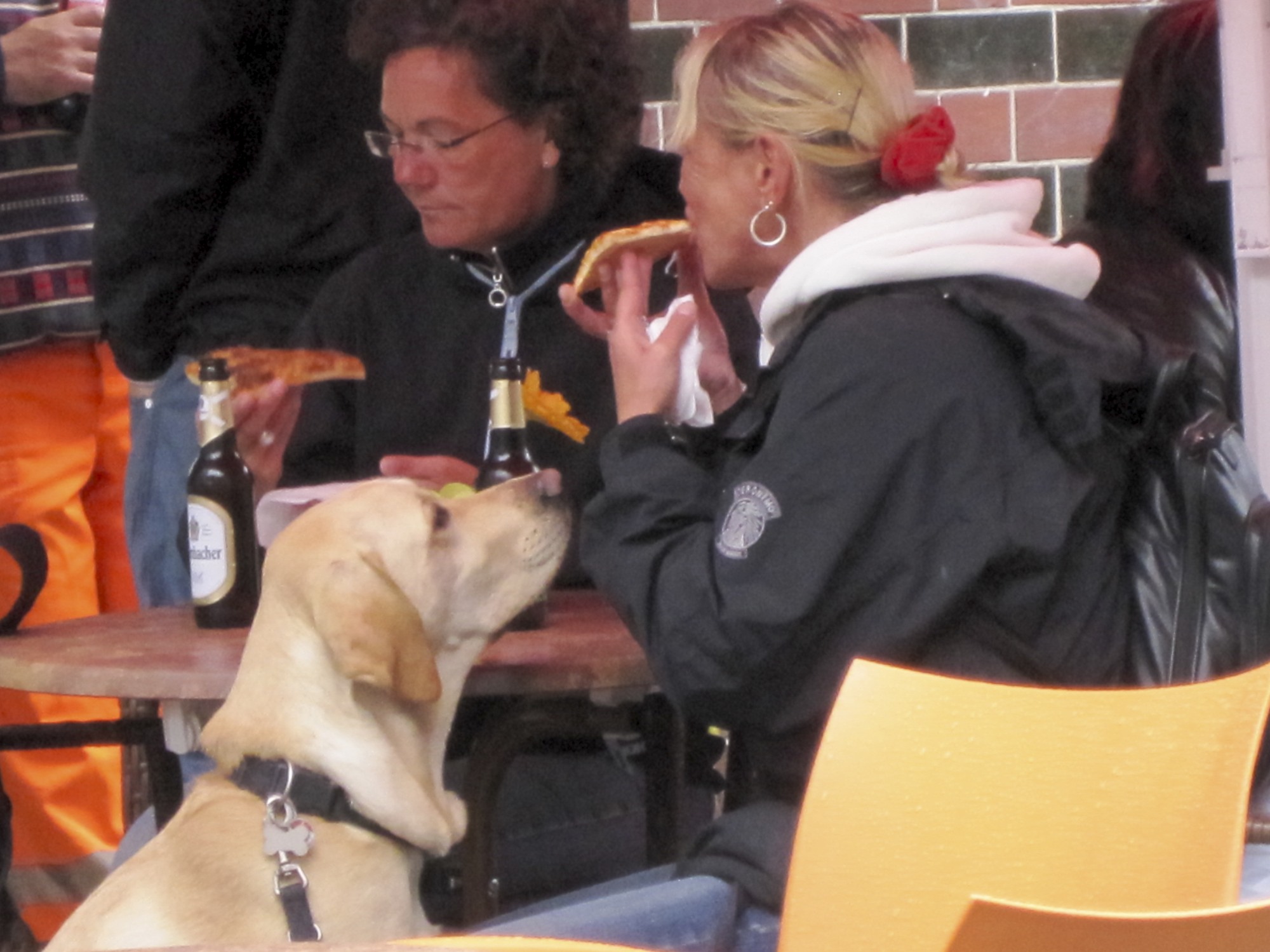
Dogs love pizza everywhere (so do people). When you travel you realize how similar we all really are. Who doesn’t love to spend a Saturday afternoon walking their dog, eating pizza and drinking a beer?

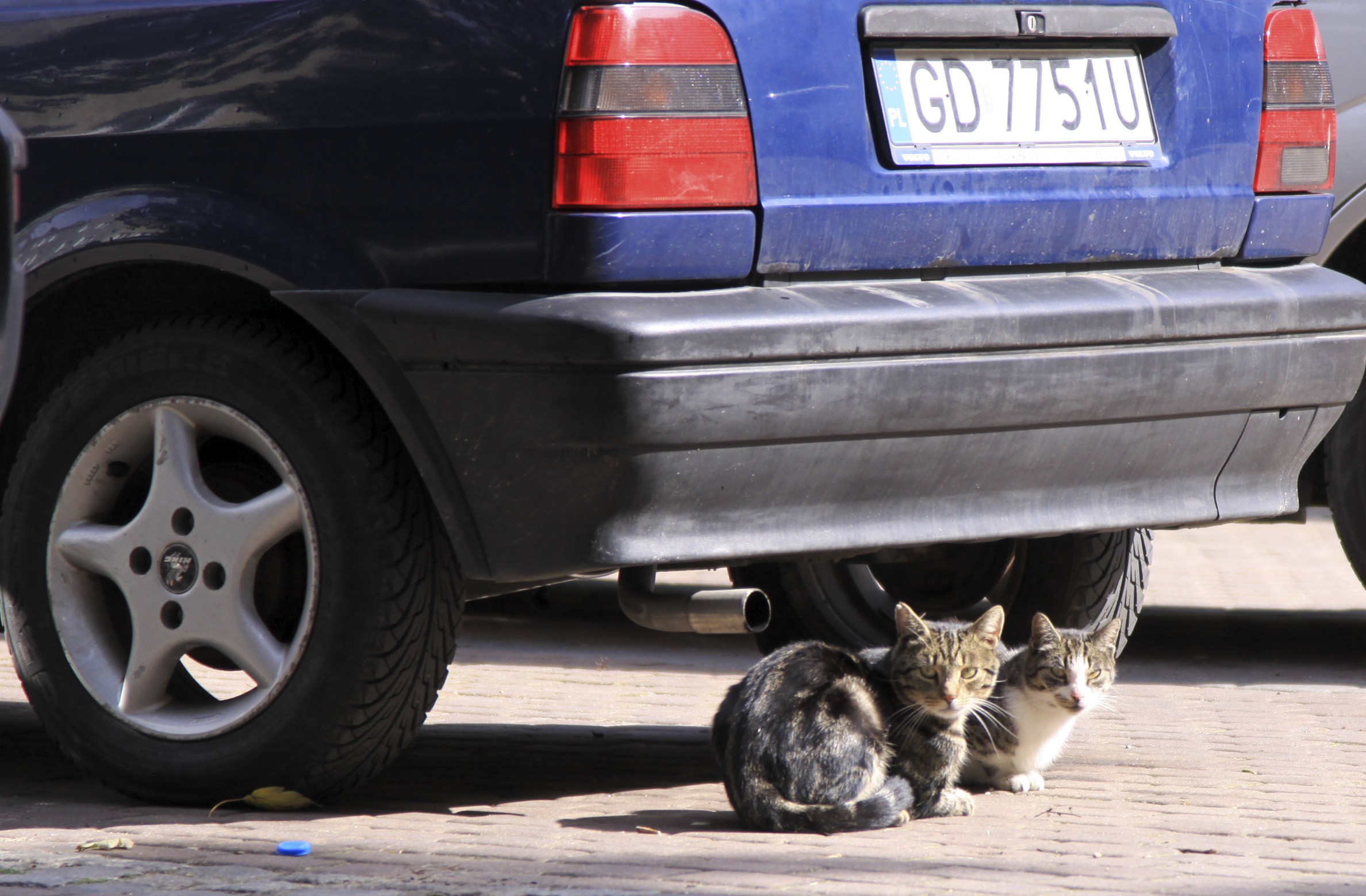
Street cats in Gdansk.

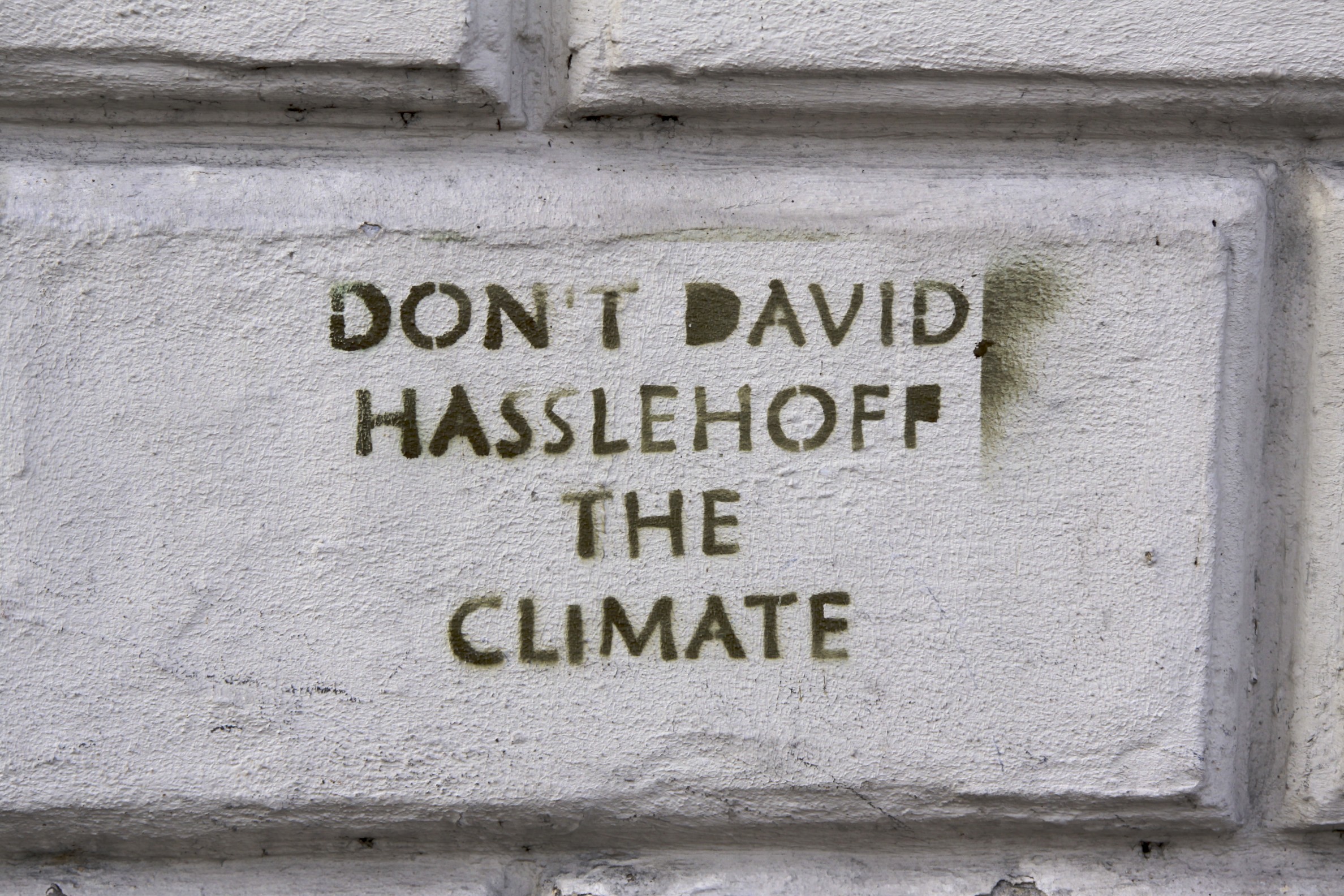
A political statement in Copenhagen.

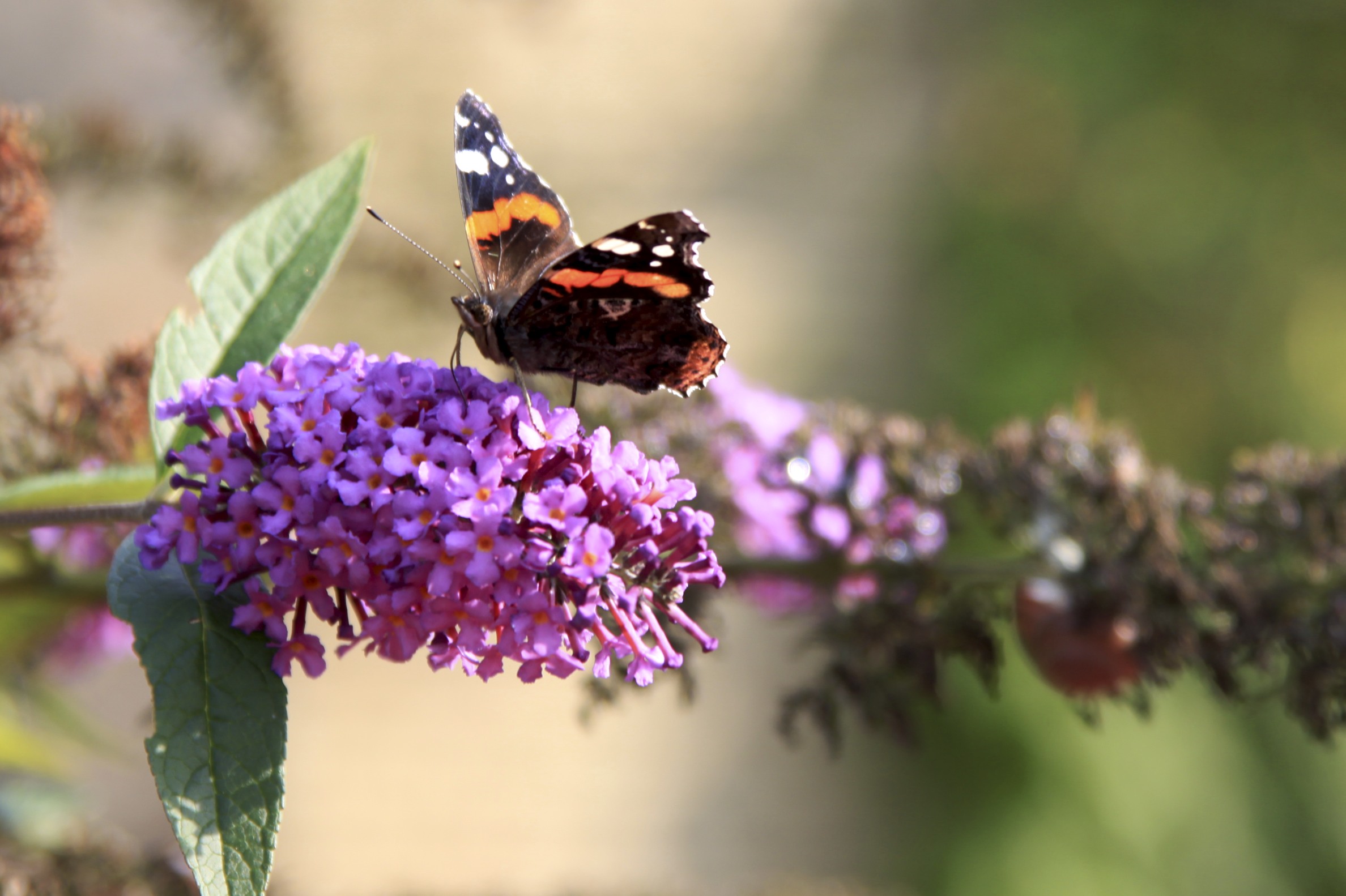
In the Royal Gardens in Copenhagen.

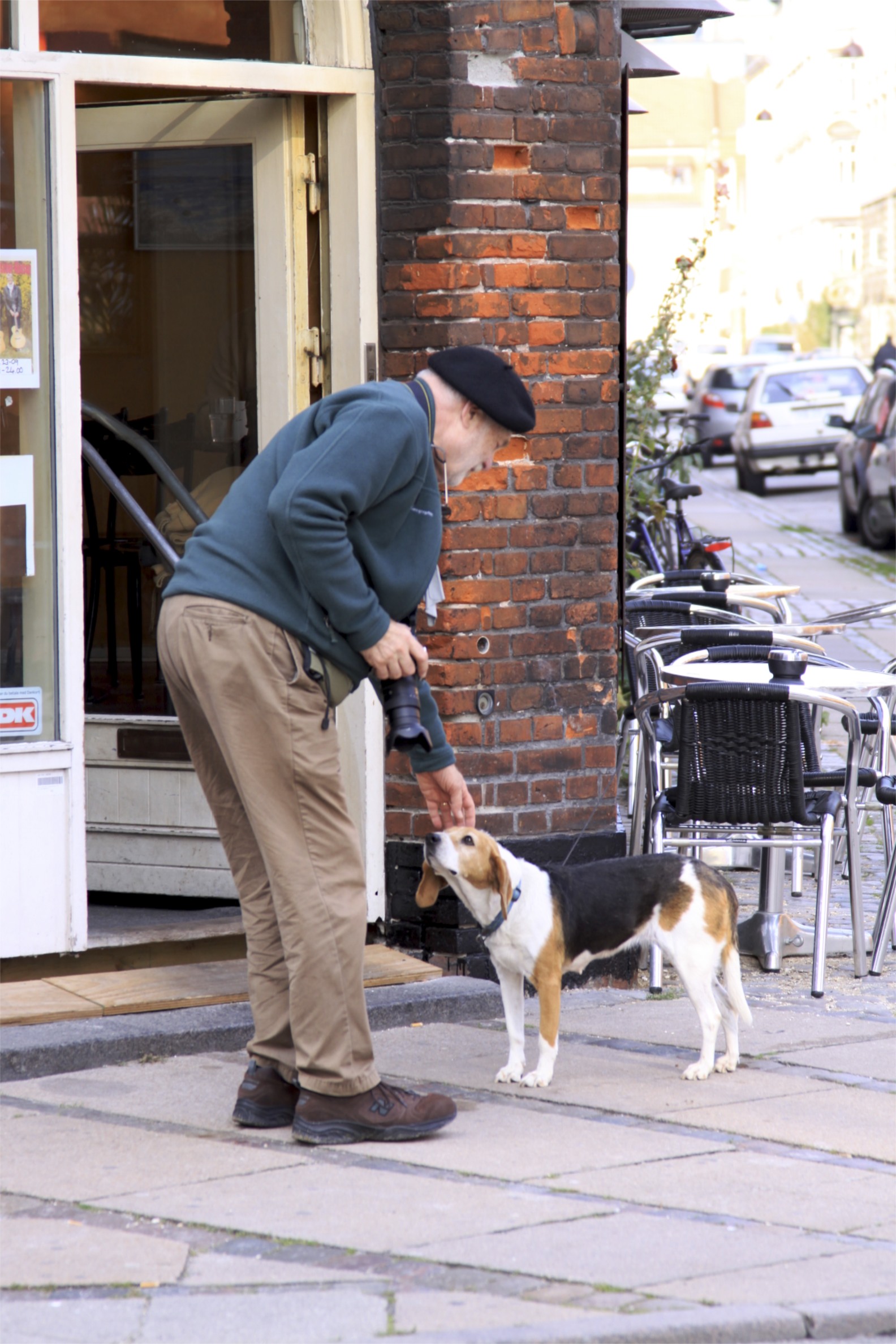
Dick making friends in Copenhagen.

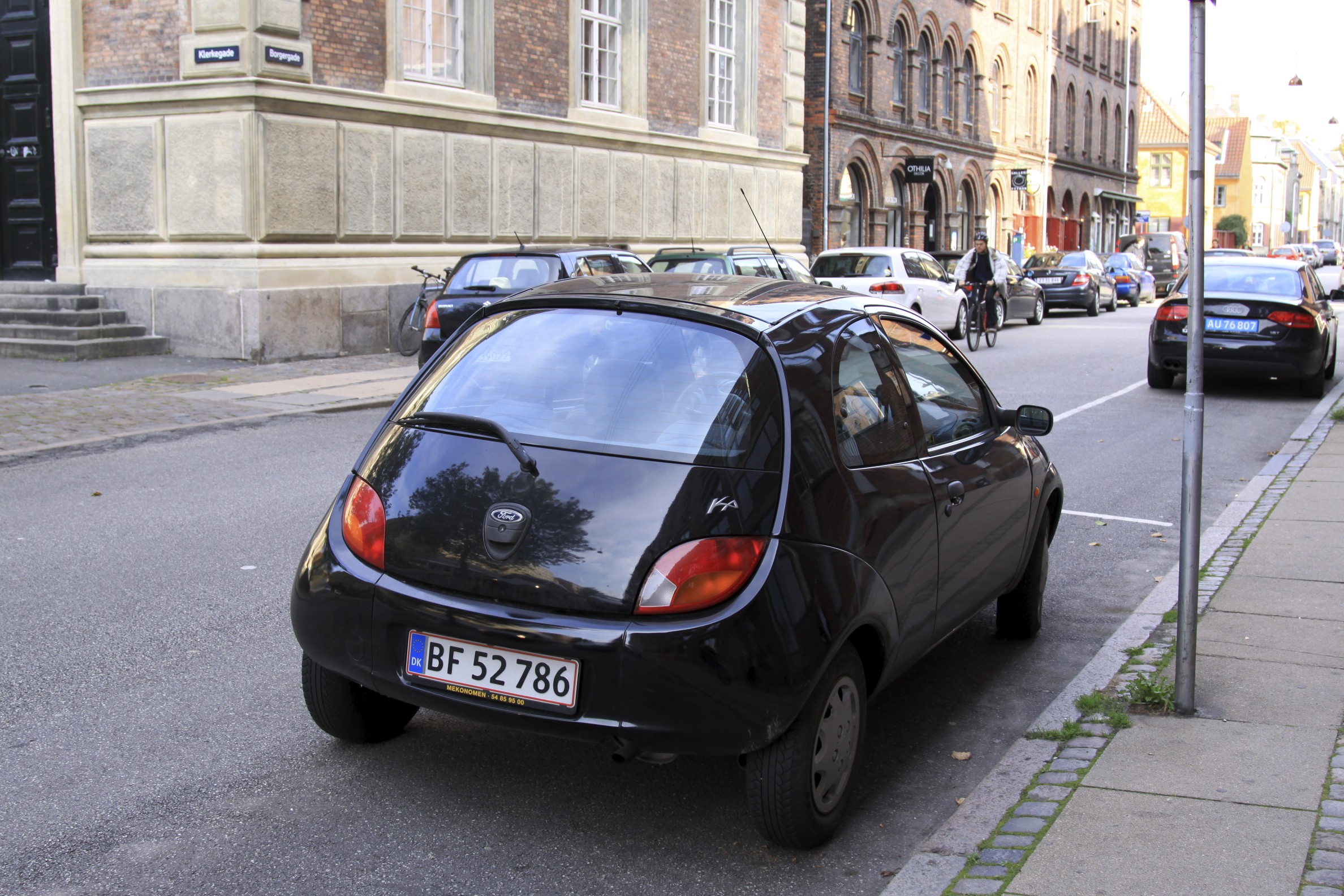
Why can’t we get these cute Fords in the U.S.? Okay, I know this isn’t “wildlife”, but maybe if we all would at least exchange our SUVs for one of these little models we could possibly save some of the wildlife we have left. Better yet, we should turn in our cars for a bicycle. I admit that is more attractive if you live in a small, flat place like Copenhagen or Stockholm. It would be trickier getting groceries up our mountain from Hemet on a bicycle.